Chasing Intermittent Electrical Faults: Why Parts Swapping Fails
Faults that come and go are the hardest repairs in a modern car. Here is how specialists catch them, and why replacing parts on a hunch rarely works.
Every technician knows the feeling. The customer describes a stall, a flicker or a warning light that shows up on the highway twice a week. The car comes in, and it runs perfectly. No codes, no symptoms, nothing to test.
Intermittent faults are where general repair ends and specialist diagnosis begins. They are also where the most money gets wasted, because the easy answer is to replace the part that “usually” causes that symptom and hope.
Why intermittent faults are so hard
A fault that is always present is easy to measure. You put a meter on the circuit, see the wrong value and follow it to the cause. An intermittent fault only exists under certain conditions: a specific temperature, a bump in the road, a wiring harness flexing as the engine rocks under load, moisture after a rainstorm.
When the car is sitting in the bay, those conditions are gone. So is the evidence.
The usual culprits are not the expensive parts. In our experience, the cause is far more often:
- A connector pin that has lost its tension and only loses contact when warm
- A ground connection with corrosion between the eyelet and the body
- A wire broken inside its insulation, where it flexes near a hinge or engine mount
- Chafing where a harness rubs against a bracket, shorting only when it moves
- Water intrusion into a connector or module
None of these show up as “replace this part” on a code reader.
Why parts swapping fails
Say a car stalls intermittently and sets a crankshaft position sensor code. The sensor is replaced. The car leaves, and the fault returns two weeks later. Next comes the camshaft sensor, then the fuel pump relay. Three parts later, the actual cause, a chafed signal wire near the engine mount, is still there.
The code told you which signal dropped out. It did not tell you why. A sensor, the wire carrying its signal and the computer reading it all produce the same code.
How specialists catch the fault
1. Build the story first
We ask detailed questions. Hot or cold? Over bumps or smooth roads? After rain? While turning? Before we pick up a tool, we want to know the conditions that make the fault appear, because those conditions tell us where to look.
2. Use the data the car already saved
Modern modules store freeze frame data and sometimes history counters for each fault. Engine temperature, speed, voltage and load at the moment of the fault often point straight at the cause. A fault that only sets when system voltage dips, for example, sends us to the charging system and grounds instead of the sensor.
3. Recreate the conditions
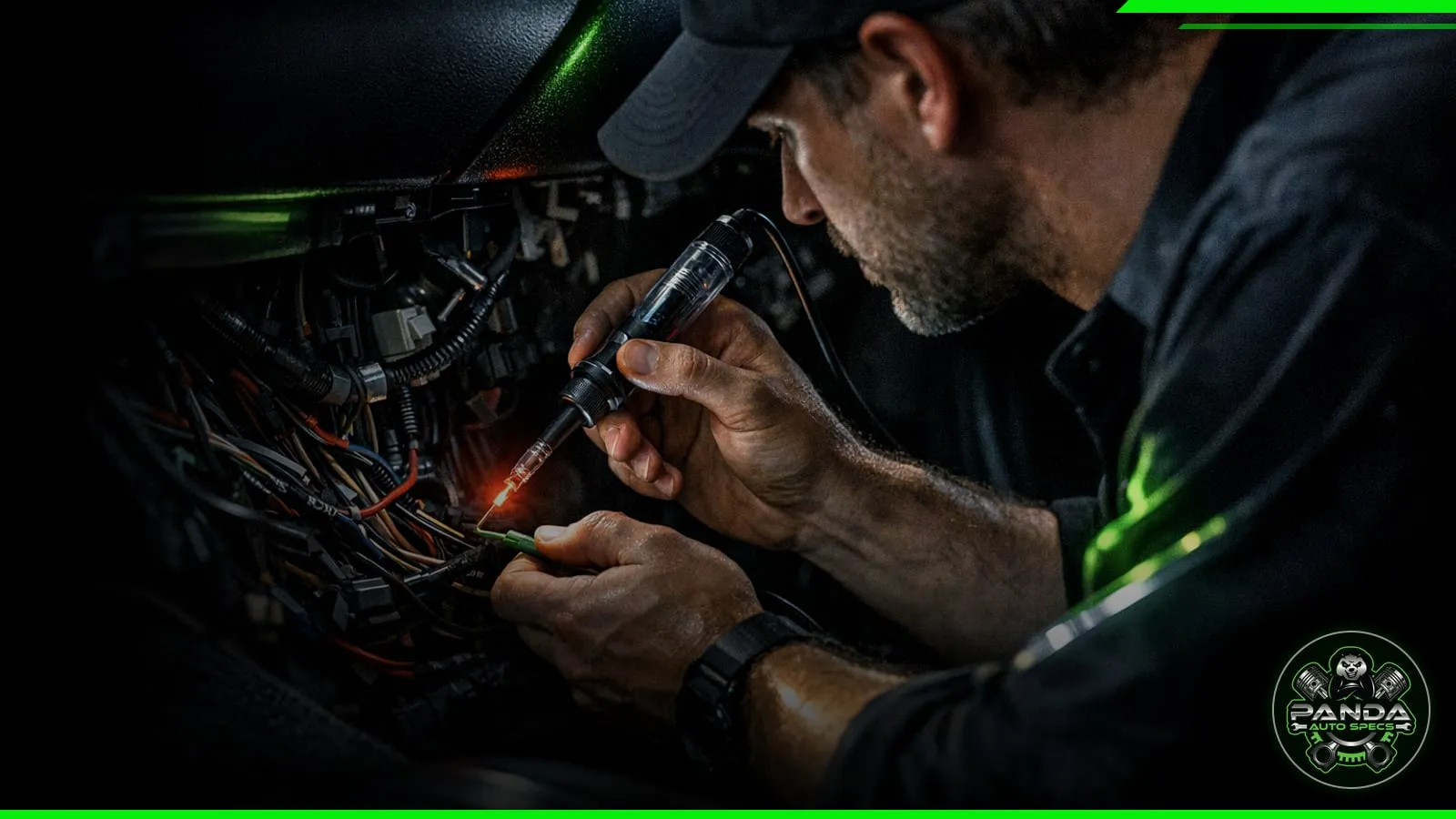
Then we try to make the fault happen on purpose. That can mean heating a connector with a heat gun, cooling it with freeze spray, or gently flexing a harness section while watching live data. When the signal drops out as we wiggle a specific spot, we have found it.
4. Record it when it happens
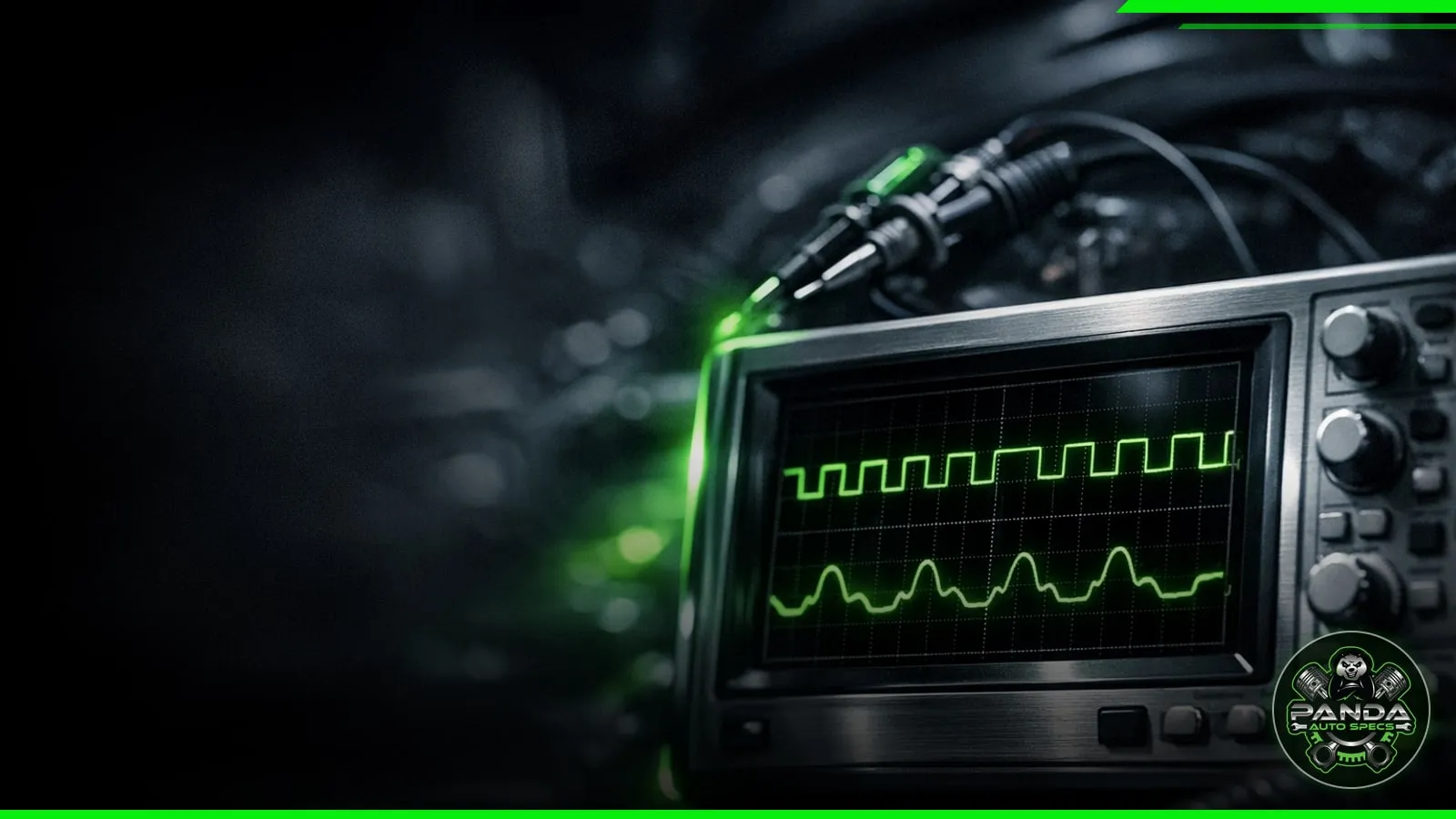
For truly random faults, we use recording tools. A lab scope or data logger can watch the circuit during a road test and capture the exact moment it fails. One captured event is worth more than a dozen guesses.
5. Prove the circuit, not just the part
Voltage drop testing under load is one of the most valuable tests we do. A ground that reads fine with a simple continuity check can fail completely when it has to carry current. Testing under real load shows the problem a basic meter would miss.
Fixing it so it stays fixed
Once found, the repair matters as much as the diagnosis. A loose pin gets a new terminal, not a squeeze with pliers. A broken wire gets a soldered and sealed splice, not twisted copper and tape. A chafed harness gets repaired and re-routed or protected so it can’t rub through again.
Then we confirm the fix under the same conditions that caused the failure.
The bottom line
Intermittent faults reward patience and punish guessing. If your car has a problem that comes and goes, and you have already paid for parts that did not fix it, that is exactly the kind of job a specialist should see. Bring your repair history with you. Every part that has already been replaced is one more thing we can rule out.