Is It Really the Transmission? Diagnosing Shift Problems Before a Rebuild
Harsh shifts, slipping or limp mode don't always mean a failed transmission. How specialists find the real cause before you pay for a rebuild.
Few words make a driver more nervous than “transmission”. Rebuilds and replacements are expensive, so it pays to be sure. In our experience, many shifting complaints are caused by something other than worn-out internal parts.
Modern automatic transmissions are electronically controlled. They rely on sensors, solenoids, software, wiring and fluid condition as much as on clutches and gears. Any of those can make a healthy transmission behave badly.
Common symptoms
- Harsh or delayed shifts
- Slipping, flaring revs between gears
- Stuck in one gear, often called limp mode
- Shuddering at certain speeds
- Warning lights or transmission messages on the dash
What often turns out to be the cause
Fluid level and condition
Low or degraded fluid causes slipping, harsh shifts and overheating. Many modern transmissions have no dipstick and need a specific procedure at a specific temperature to check the level correctly. A wrong level is a surprisingly common cause of shift complaints.
Electrical faults
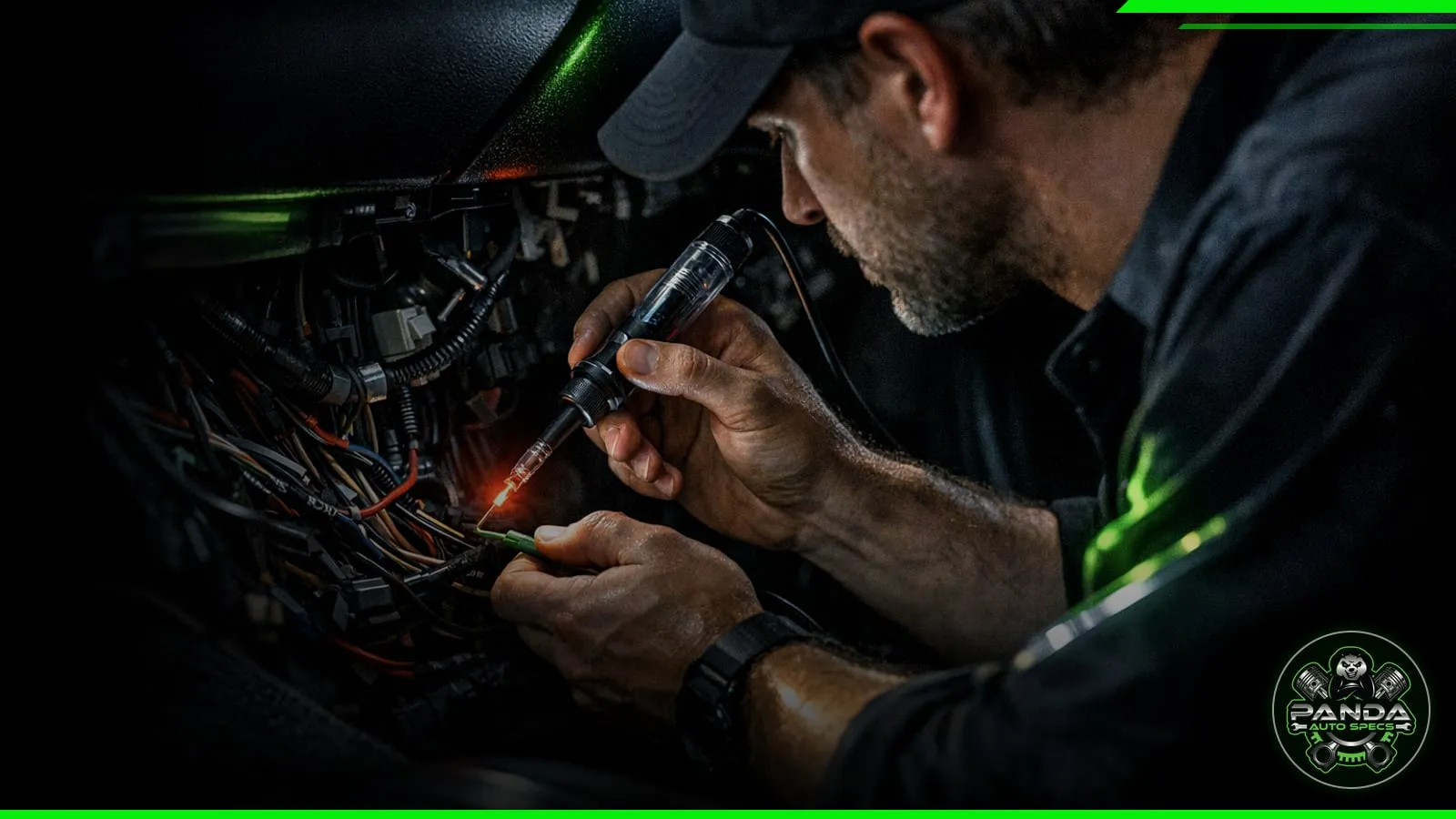
Transmission control depends on speed sensors, pressure sensors, range switches and solenoids. A damaged connector, a corroded pin or a chafed wire can trigger limp mode instantly. These are the same kind of electrical faults we chase on engines, and they are often far cheaper to fix than a rebuild.
Low system voltage
A weak battery or charging problem can confuse transmission and engine modules alike, causing strange shifting and stored codes across the vehicle.
Engine problems that feel like transmission problems
A misfire under load can feel like a shudder or slip. A failing throttle or airflow sensor can make shifts feel wrong because the transmission is using bad torque information.
Software and adaptations
Transmissions learn how to shift over time. After repairs, battery disconnection or fluid service, many need their adaptations reset or relearned. Some have software updates from the manufacturer that address known shift concerns.
Valve body and solenoid issues
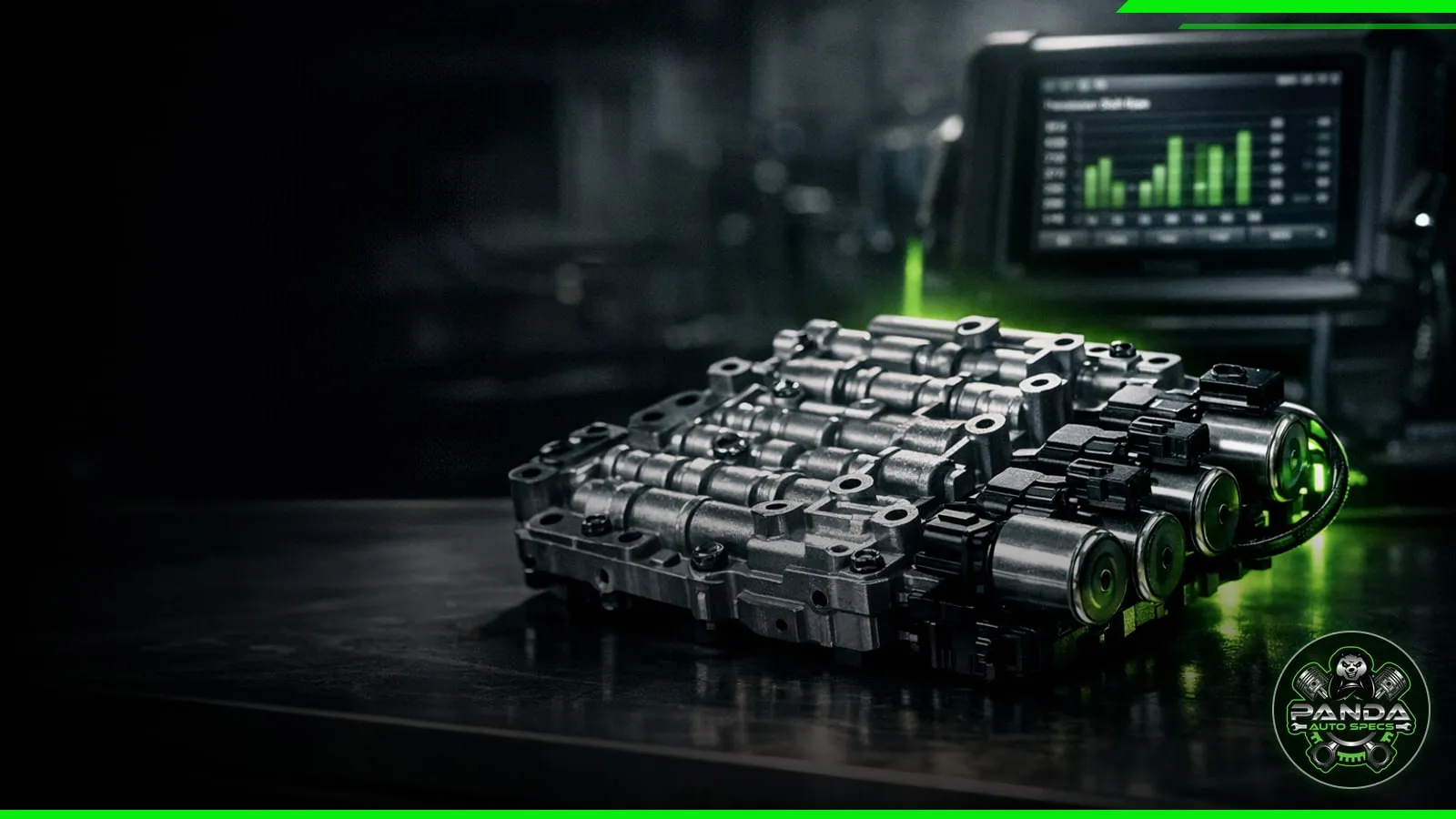
When there is an internal problem, it is often in the valve body or solenoids, not the hard parts. These can sometimes be repaired or replaced without a full rebuild.
How we diagnose
- Scan every module, not just the transmission, and review codes, freeze frame data and history.
- Check fluid level and condition using the correct procedure for that transmission.
- Road test with live data, watching commanded versus actual gear, slip, line pressure and temperatures.
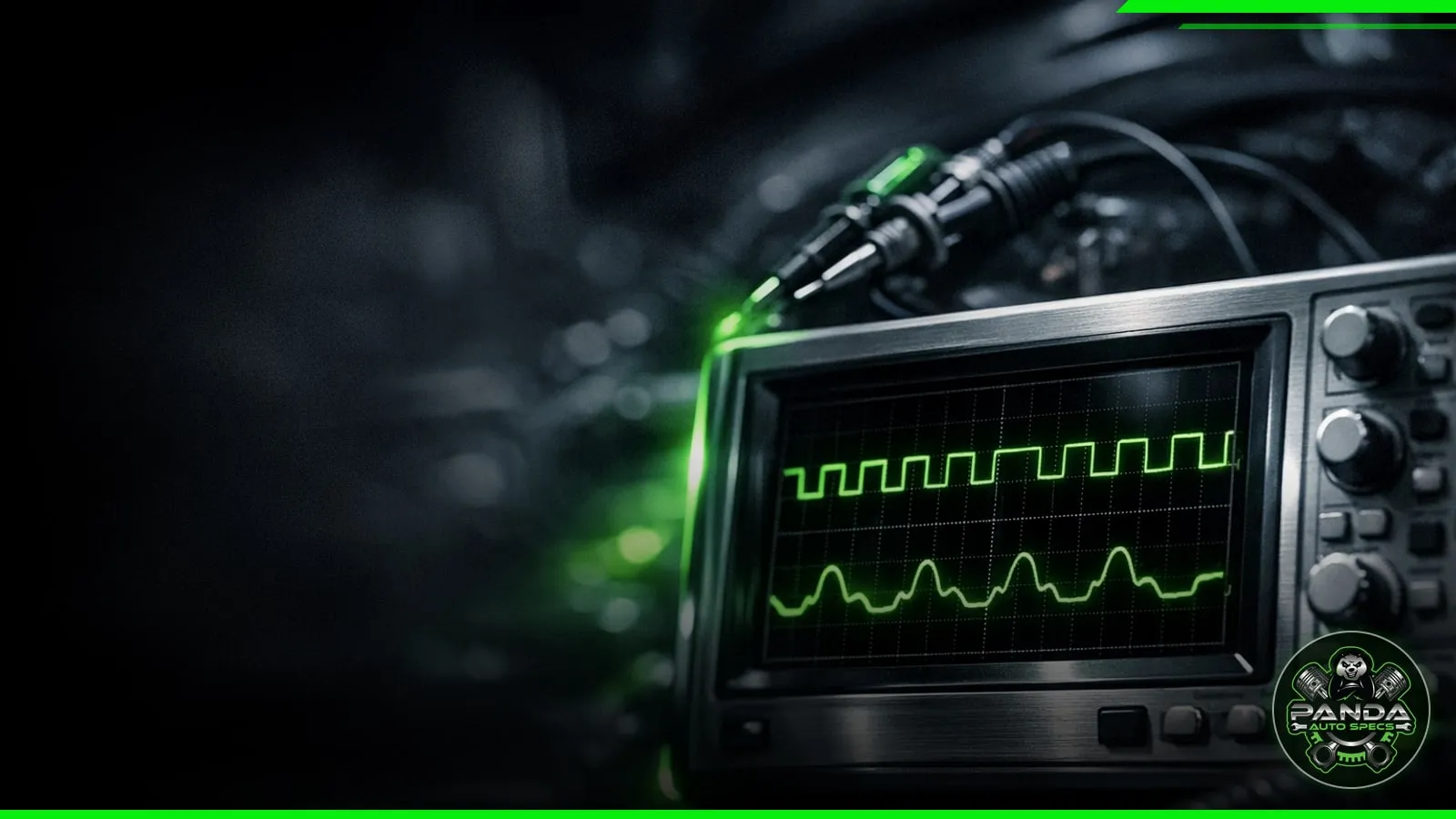
- Test circuits to sensors and solenoids with wiring diagrams, voltage drop tests and, where needed, a lab scope.
- Rule out engine and voltage issues that can mimic transmission faults.
Only after those steps do we recommend internal repair, and if we do, we explain exactly why.
When a rebuild really is needed
Sometimes the internal parts are worn or damaged. Metal debris in the fluid, burned clutch material or mechanical noise point to internal failure. In that case, we discuss repair, rebuild and replacement options and their costs side by side.
Before you approve a rebuild
If you have been told your transmission needs a rebuild, especially without a detailed explanation, a second look can be worthwhile. The answer might still be a rebuild. But it might be a connector, a sensor or a fluid service, and that difference is worth knowing.