Wiring Harness Repair Done Right: Why Tape and Twisted Wires Fail
A harness repair has to survive heat, vibration and moisture for years. How specialists repair automotive wiring so it outlasts the rest of the car.
Under the hood, wiring lives a hard life. Engine heat cycles from freezing to well over 200 degrees. Vibration never stops. Water, road salt, oil and coolant find their way into everything. And in our area, rodents treat engine bays like a buffet.
When a harness is damaged, the repair has to handle all of that for years. That is why wiring repair is a specialist job, and why the quick fixes come back to haunt people.
Repair or replace?
A complete engine harness can be expensive and, on some vehicles, takes many hours to install. In many cases, a professional repair of the damaged section is just as reliable as a new harness at a fraction of the cost.
We recommend replacement when:
- Damage is spread through the whole harness, such as severe heat or fire damage
- The insulation has become brittle throughout with age
- The harness includes integrated components that can’t be repaired separately
Otherwise, a careful section repair is usually the smarter choice. We will show you the damage and explain which option makes sense.
What a proper repair looks like
The right wire
Every repair uses wire of the correct gauge, and where possible the correct type and color, so the circuit carries its intended current and the next technician can follow it. Undersized wire overheats. Wrong colors make future diagnosis a nightmare.
Staggered, sealed splices
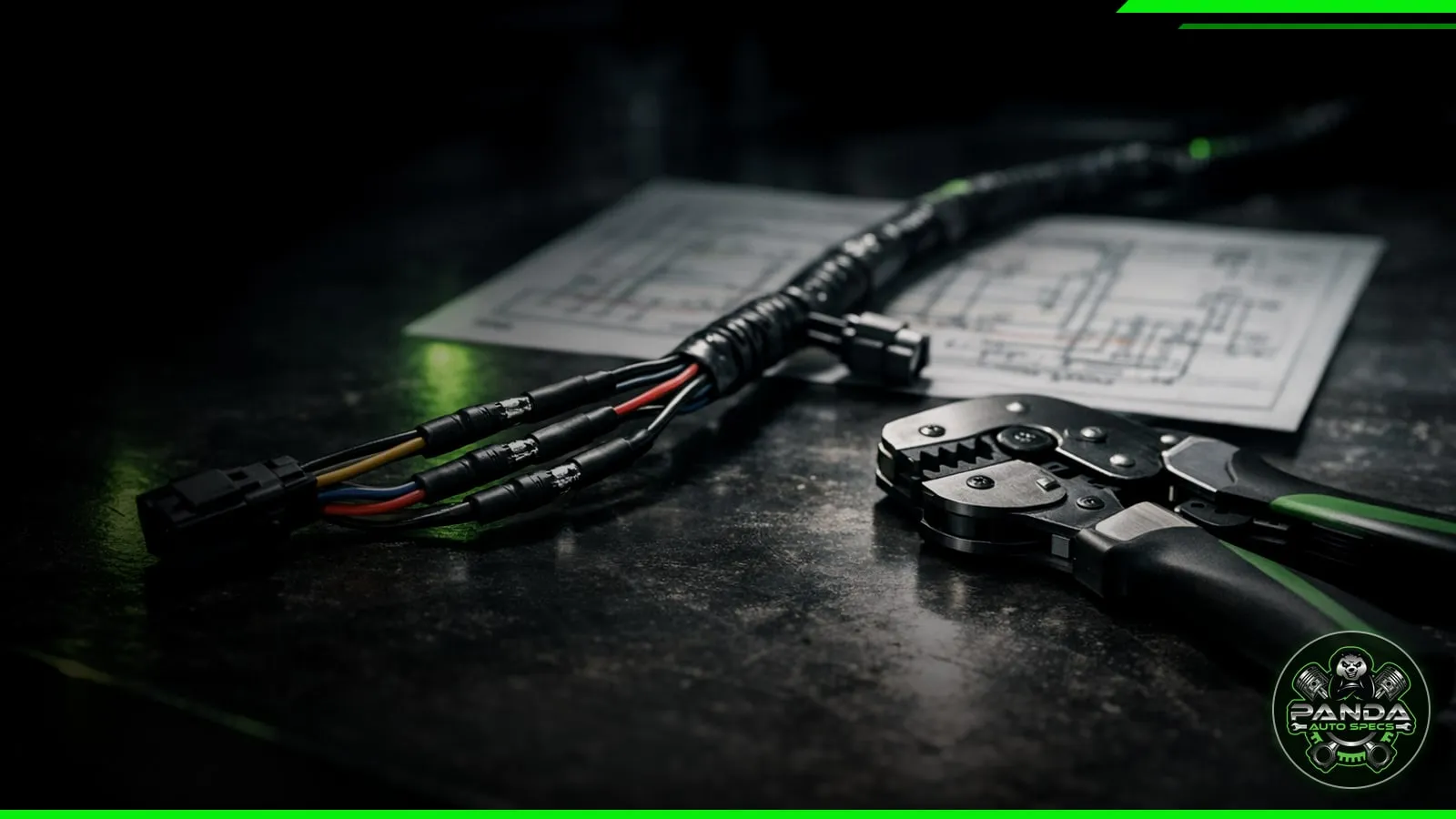
Splices are soldered or crimped with quality connectors, then sealed with adhesive-lined heat-shrink that keeps moisture out. When several wires in one bundle are repaired, we stagger the splices so the harness doesn’t end up with a rigid lump that cracks with vibration.
Twisted pairs stay twisted
Network and sensor circuits often use twisted pair wiring to cancel interference. Repairs on those circuits keep the twist and length as close to original as possible. A sloppy repair here can create communication faults that look like failed modules.
New terminals, not squeezed ones
If a connector pin is loose or corroded, it gets a new terminal crimped with the correct tool. Squeezing an old terminal with pliers might work for a week, and then the intermittent fault is back.
Protection and routing
After the electrical repair, the harness gets protected the way the factory did it: loom, tape of the correct type and clips back where they belong. If the original damage came from chafing, we fix the cause too, so it can’t rub through again.
Rodent damage needs a full inspection
Rodent damage is rarely limited to one wire. Mice and squirrels chew wherever they nest, often in several spots. We trace the entire affected area, check nearby harnesses and connectors, and look for nesting material that can hold moisture against wiring. Fixing the obvious wire and missing a second chewed section means a second visit.
Testing before and after
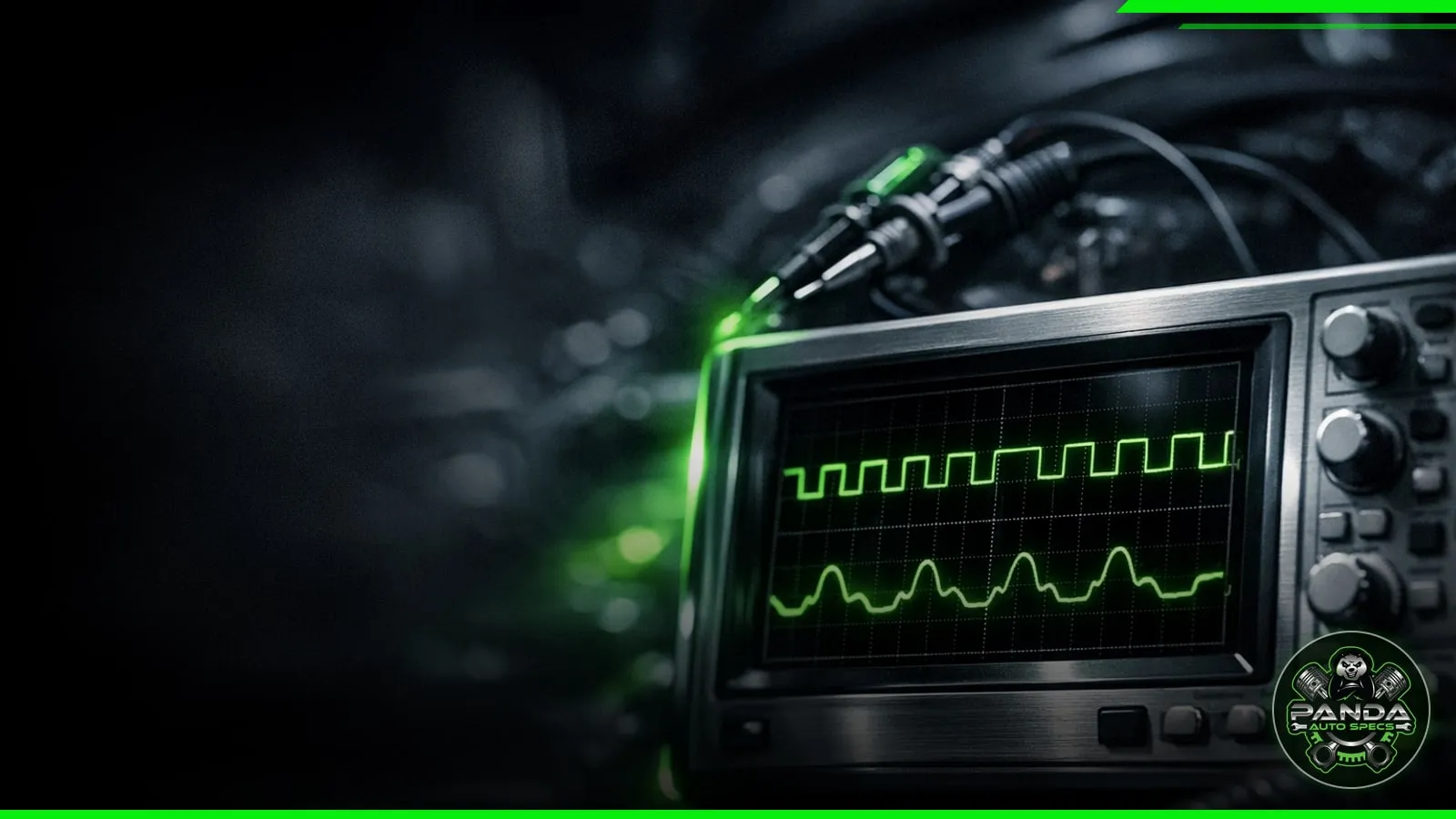
Before the repair, we test the circuit so we know exactly what is damaged. After the repair, we test again, under load, and check the modules on that circuit for stored codes. On network circuits, we confirm communication with a scope.
Why it matters
A good wiring repair is invisible. The car simply works, year after year. A bad one causes new faults that are hard to diagnose, sometimes long after the original repair.
If your car has had wiring damage, a previous repair that keeps failing, or electrical gremlins nobody has fixed, we would be glad to take a look.