BMW Timing Chain Failure: Warning Signs and the Repair
Rattle on cold start, cam timing codes, rough running: the warning signs of timing chain and guide failure on turbo engines, and what the repair involves.
Timing chains are supposed to last the life of the engine. On many engines they do. But some modern turbocharged engines, including several BMW four- and six-cylinder engines, have well known histories of chain, guide and tensioner wear.
When those parts fail, the results range from an annoying rattle to a destroyed engine. Catching it early makes all the difference.
What the timing chain does
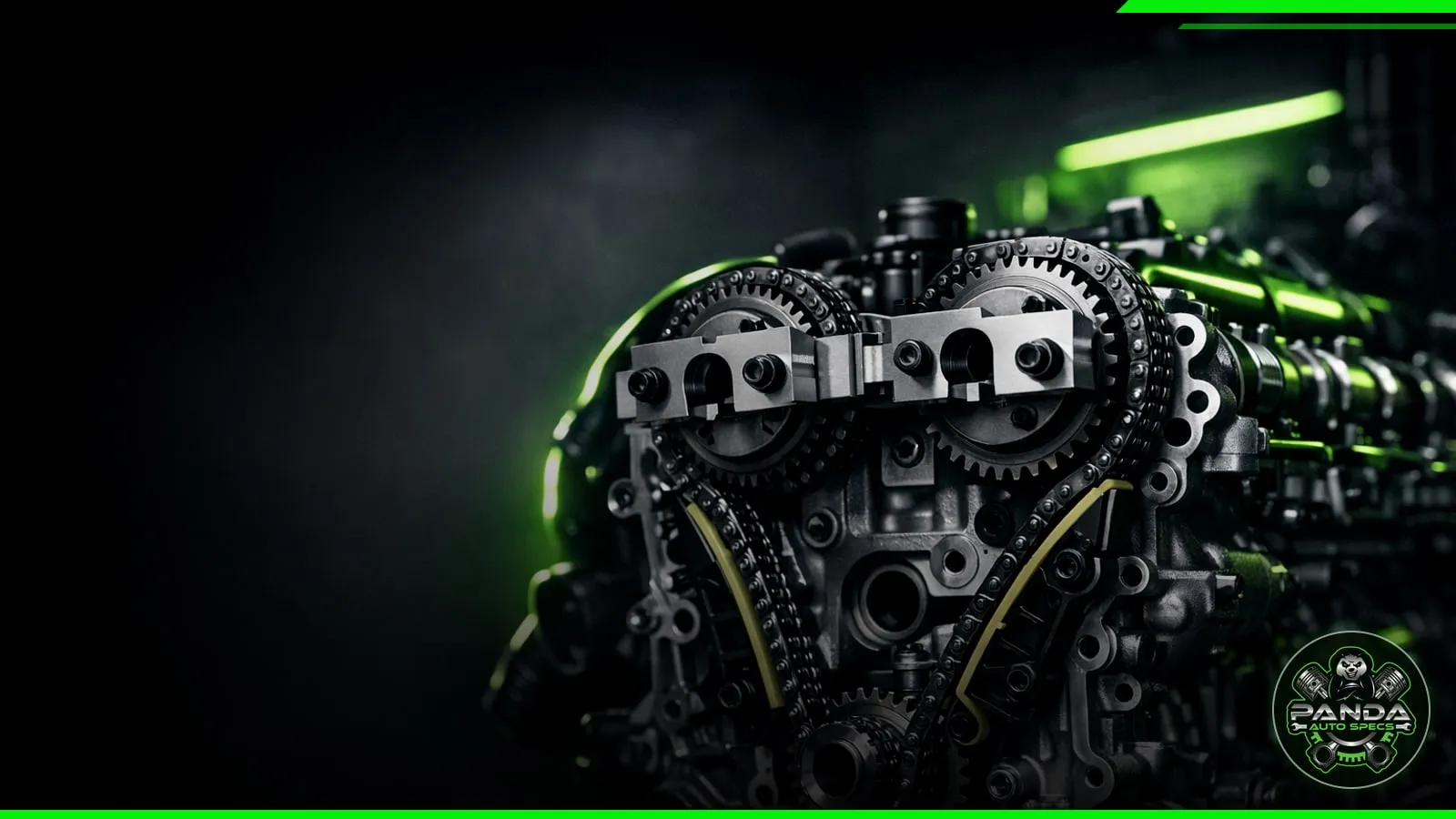
The timing chain links the crankshaft to the camshafts, keeping the valves opening and closing in exact step with the pistons. Plastic guides keep the chain on its path, and a hydraulic tensioner keeps it tight.
As guides wear or crack and the chain stretches, slack builds up. The tensioner compensates for a while. Eventually, the chain can slap against the guides, jump a tooth, or in the worst case, break.
On an interference engine, a jumped or broken chain lets pistons strike open valves. That is usually the difference between a timing job and a full engine rebuild or replacement.
Warning signs
- A rattle or whine at cold start that fades as oil pressure builds. This is often the first sign.
- Camshaft timing correlation codes or variable valve timing faults.
- Rough running, hesitation or reduced power as cam timing drifts.
- Pieces of plastic guide found in the oil pan during other work.
- A whining noise that rises with engine speed on some engine designs.
Not every noise is the timing chain. Accessory drive components, high-pressure fuel pumps and valvetrain parts can make similar sounds. That is why diagnosis comes first.
How we confirm it
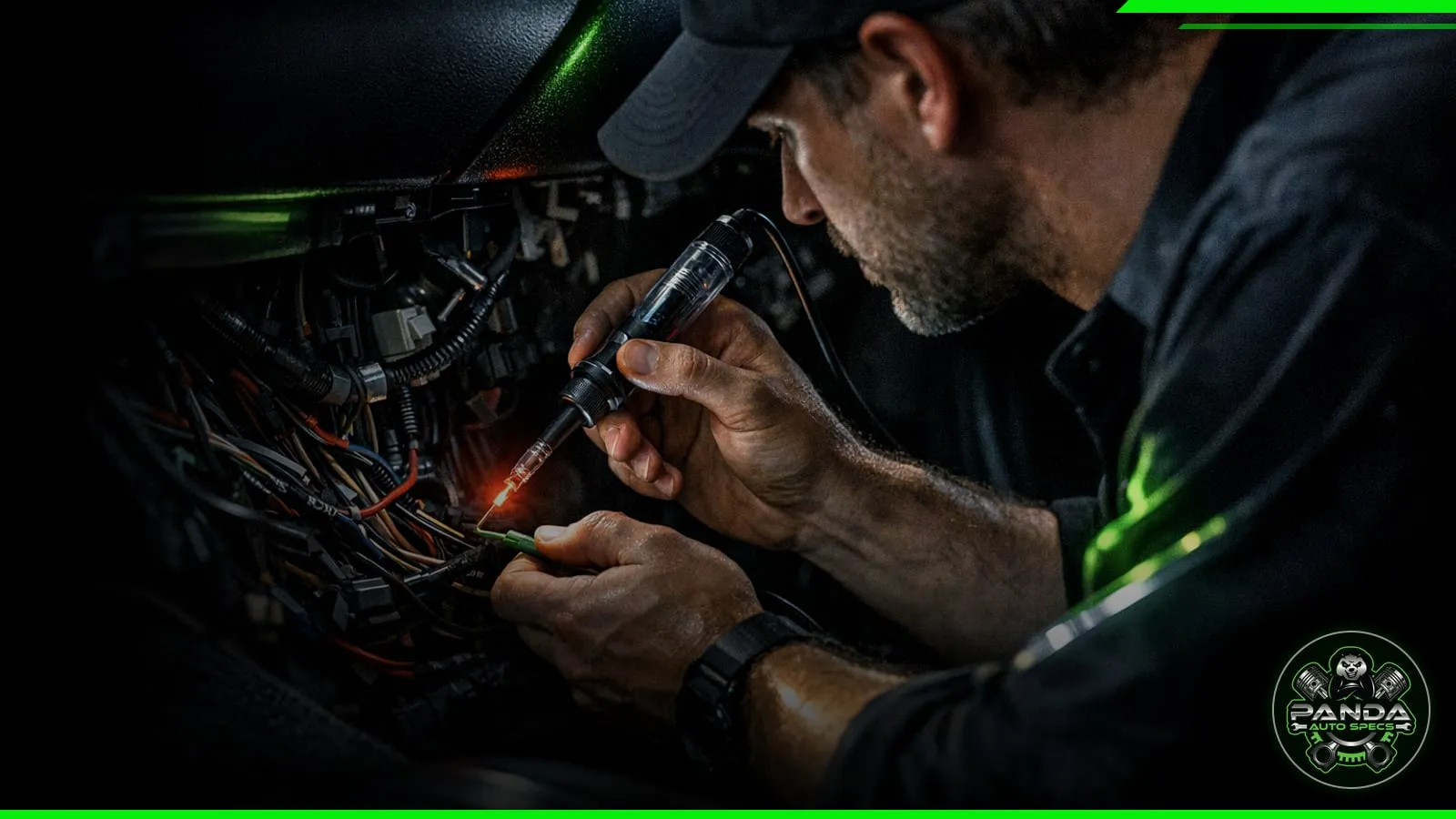
We listen with the right tools, scan for stored cam correlation data, and often use a lab scope to compare crankshaft and camshaft signals. That shows how far the cam timing has moved from where it should be, without tearing the engine down. On some engines, an inspection through an access point shows guide condition directly.
If the evidence points to the timing system, you get a clear explanation before any work is approved.
What the repair involves
On many of these engines, the timing chain sits at the back of the engine, against the transmission. That design makes the repair a major job: the transmission, or in some cases the engine itself, has to come out to reach the chain.
A proper repair includes:
- New chain, guides, tensioner and associated seals and bolts
- Engine specific locking tools to hold the crankshaft and camshafts in exact position
- Careful setting of timing and verification before reassembly
- Inspection of related wear items while everything is accessible, such as rear main seal, oil pan gasket and accessory components
Cutting corners on any step, especially timing alignment, can cause the same damage the repair was meant to prevent.
Why it is worth doing right
Doing this job properly is not cheap, but it is far less expensive than replacing an engine after a chain failure. If you own a vehicle with a known timing chain history and hear a cold start rattle, have it checked now rather than later.
European cars aren’t our specialty, but they are welcome in our shop. We test the timing system properly, explain what we find, and use the correct tools and procedures to put the engine back together so it stays quiet.