Direct Injection Carbon Buildup: Misfires, Rough Idle and Walnut Blasting
Direct injection engines build up carbon on the intake valves. How it causes misfires and rough idle, and why walnut blasting is the fix that works.
Direct injection changed how modern engines are built. Fuel goes straight into the combustion chamber at very high pressure, which improves power and economy. It also created a problem that older engines never had: carbon buildup on the intake valves.
Why it happens
On older port injection engines, fuel was sprayed onto the back of the intake valves. Fuel is a solvent, so it constantly washed those valves clean.
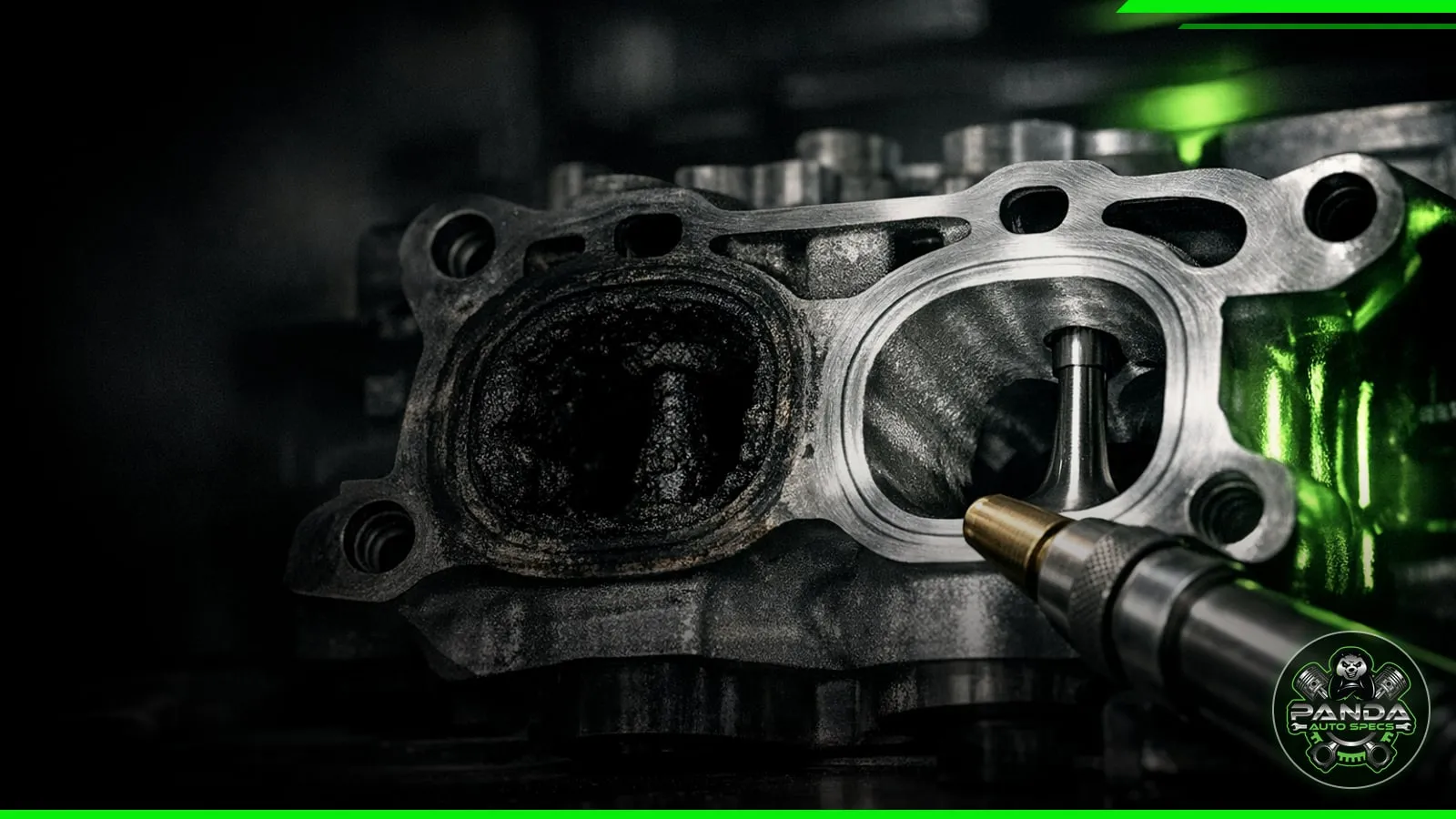
With direct injection, fuel never touches the intake valves. Meanwhile, oil vapor from the crankcase ventilation system and exhaust gas from valve overlap pass through the intake. Over time, those vapors bake onto the hot valves as hard, black carbon.
Many direct injection engines, from German brands and plenty of others, are affected. How quickly it builds depends on the engine design, driving habits and oil quality. Short trips and a lot of idling tend to make it worse.
Symptoms
- Rough idle, especially on cold start
- Misfires, often with misfire codes on one or more cylinders
- Hesitation or stumble under acceleration
- Gradual loss of power and fuel economy
- Check engine light with lean or misfire codes
The trouble is that these symptoms overlap with ignition, fuel and vacuum problems. Many cars with carbon buildup have already had coils, plugs and injectors replaced without lasting improvement.
How we confirm it
We rule out the other causes first: ignition testing, injector checks, fuel trims and smoke testing for vacuum leaks. Then we look directly at the valves with a borescope through the intake ports. Carbon buildup is obvious when you can see it, and the inspection takes the guesswork out of the decision.
Why fuel additives don’t fix it
Because fuel never reaches the intake valves on a direct injection engine, fuel system cleaners in the tank cannot touch the carbon. Some induction cleaning sprays help a little with light deposits, but heavy buildup is rock hard and needs mechanical removal.
Walnut blasting
The proven fix is media blasting with crushed walnut shells. The intake manifold comes off, each cylinder is rotated so its intake valves are closed, and the ports are blasted with walnut media. The shells are hard enough to break up carbon but soft enough not to damage aluminum or valve surfaces.
Everything is vacuumed out thoroughly, cylinder by cylinder, before the intake goes back on with new gaskets. On many engines, the results are immediate: smooth idle, crisp throttle response and restored power.
Keeping it from coming back
- Change oil on time with the correct specification
- Inspect and service the crankcase ventilation system
- Mix in longer drives that bring the engine fully up to temperature
- On some vehicles, an oil catch can reduces the oil vapor reaching the intake
Carbon will return eventually on most direct injection engines, but proper maintenance stretches the time between cleanings.
If your engine has a rough idle or misfire that keeps coming back after ignition parts were replaced, carbon buildup is worth checking. A borescope inspection gives you a clear answer.