What Bulletproofing a Ford Diesel Truck Really Means
Head studs, EGR and oil coolers, and the cooling system: what bulletproofing a Ford diesel involves, why it matters, and how to tell if your truck needs it.
“Bulletproof” gets used a lot in the truck world. Behind the word is a specific idea: find the known weak points of an engine and replace them with stronger, better-engineered parts before they fail.
The term is most closely tied to Ford’s 6.0L Power Stroke diesel, an engine with strong potential and a well known list of problems. Bulletproofing it properly is one of the most involved jobs a truck shop can take on.
The weak points
Head bolts
The factory torque-to-yield head bolts can stretch under high cylinder pressure, especially with added power. When they stretch, head gaskets fail, combustion gas pushes into the cooling system, and the truck blows coolant out of the overflow.
EGR cooler
The exhaust gas recirculation cooler runs hot exhaust through a coolant jacket. When it cracks or clogs, coolant can leak into the exhaust or the intake, causing white smoke, coolant loss and potentially engine damage.
Oil cooler
The engine oil cooler sits inside the engine valley and can clog internally with debris from the cooling system. When it does, oil temperatures climb and the EGR cooler, which depends on coolant flowing through the oil cooler, fails next.
Cooling system condition
Much of the trouble starts with the coolant. Old, contaminated or incorrect coolant leaves deposits that clog the oil and EGR coolers. A proper repair always includes a thorough flush.
Fuel and injection control
Injection system electronics and fuel supply problems can also cause hard starts and rough running, so the fuel system is part of a complete evaluation.
What a proper bulletproof job includes
- Cab-off or engine-out access for the head work, depending on the truck and the job
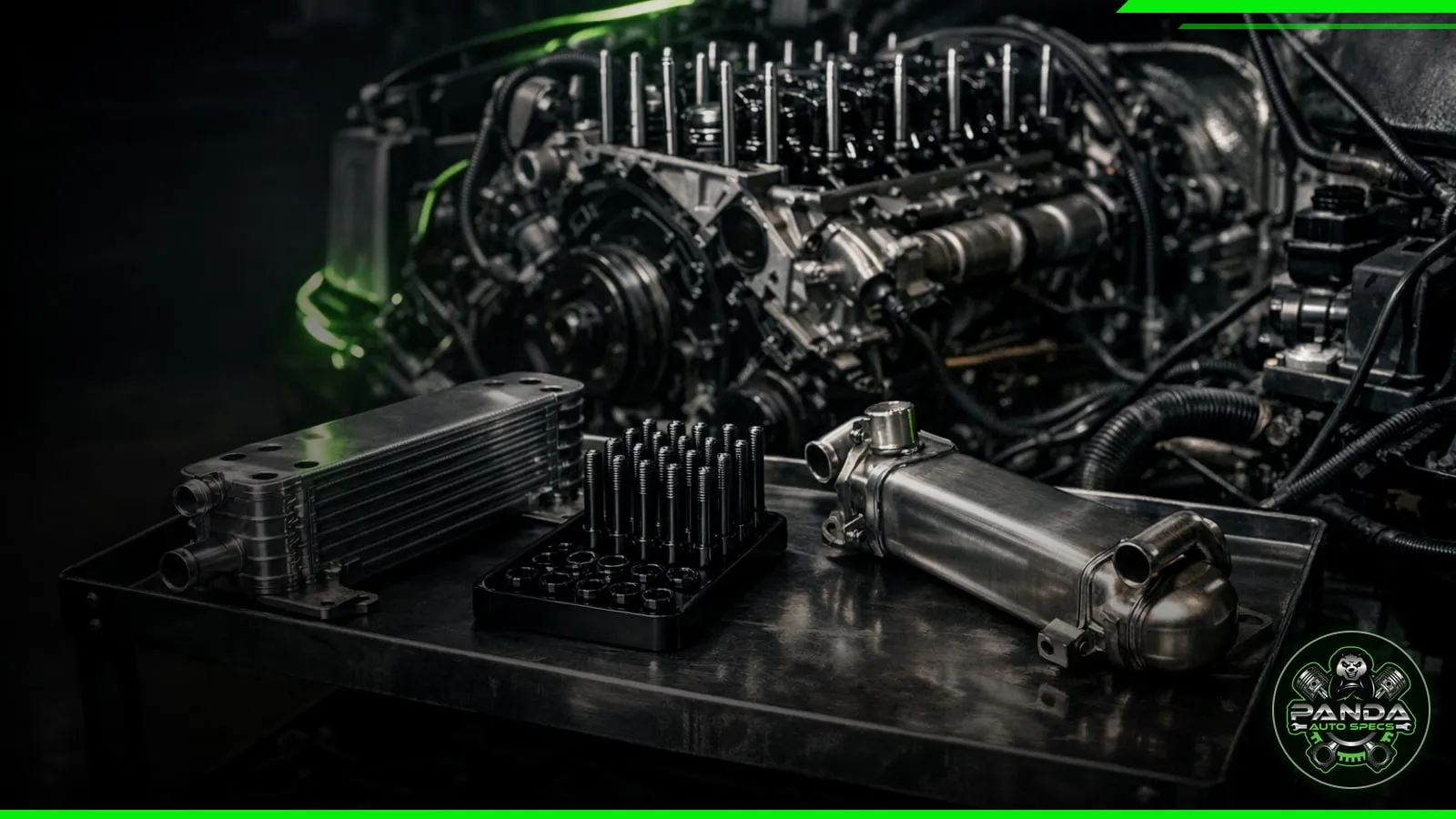
- ARP-style head studs in place of factory bolts for stronger, more consistent clamping
- New head gaskets, with the cylinder heads inspected and machined if needed
- Upgraded or redesigned EGR cooler, or an updated factory unit
- New oil cooler and a complete cooling system flush and refill with the correct coolant
- Inspection of related parts: water pump, injectors, turbo, sensors and harness connections
It is a big job, and that is the point: do it once, do it right, and the truck can be dependable for many miles.
Signs your truck may need it
- Coolant loss with no visible external leak
- Coolant pushing out of the reservoir under load
- White smoke or a sweet exhaust smell
- A large difference between engine oil and coolant temperatures on a scan tool
- Overheating while towing
That temperature difference is one of the most useful early warnings. When oil runs significantly hotter than coolant, the oil cooler is often restricted, and the EGR cooler may be next.
Diagnosis before parts
Not every coolant problem is a head gasket. We use cooling system pressure tests, combustion gas testing, scan data and inspection to find out exactly what has failed. Sometimes an oil cooler and EGR cooler caught early is all a truck needs. Other times the full job is the right call.
Our approach
On the trucks we work on, we start with a clear diagnosis, explain the options and build a plan around how you use the truck. If you tow heavy, add power or simply need it to start every morning, bulletproofing can turn a worrying engine into one you can trust.