Turbo Installs: The Supporting Mods That Keep Your Engine Alive
Bolting on a turbo is easy. Keeping the engine alive with boost takes fuel, cooling, oiling and a proper tune. What a reliable turbo install really needs.
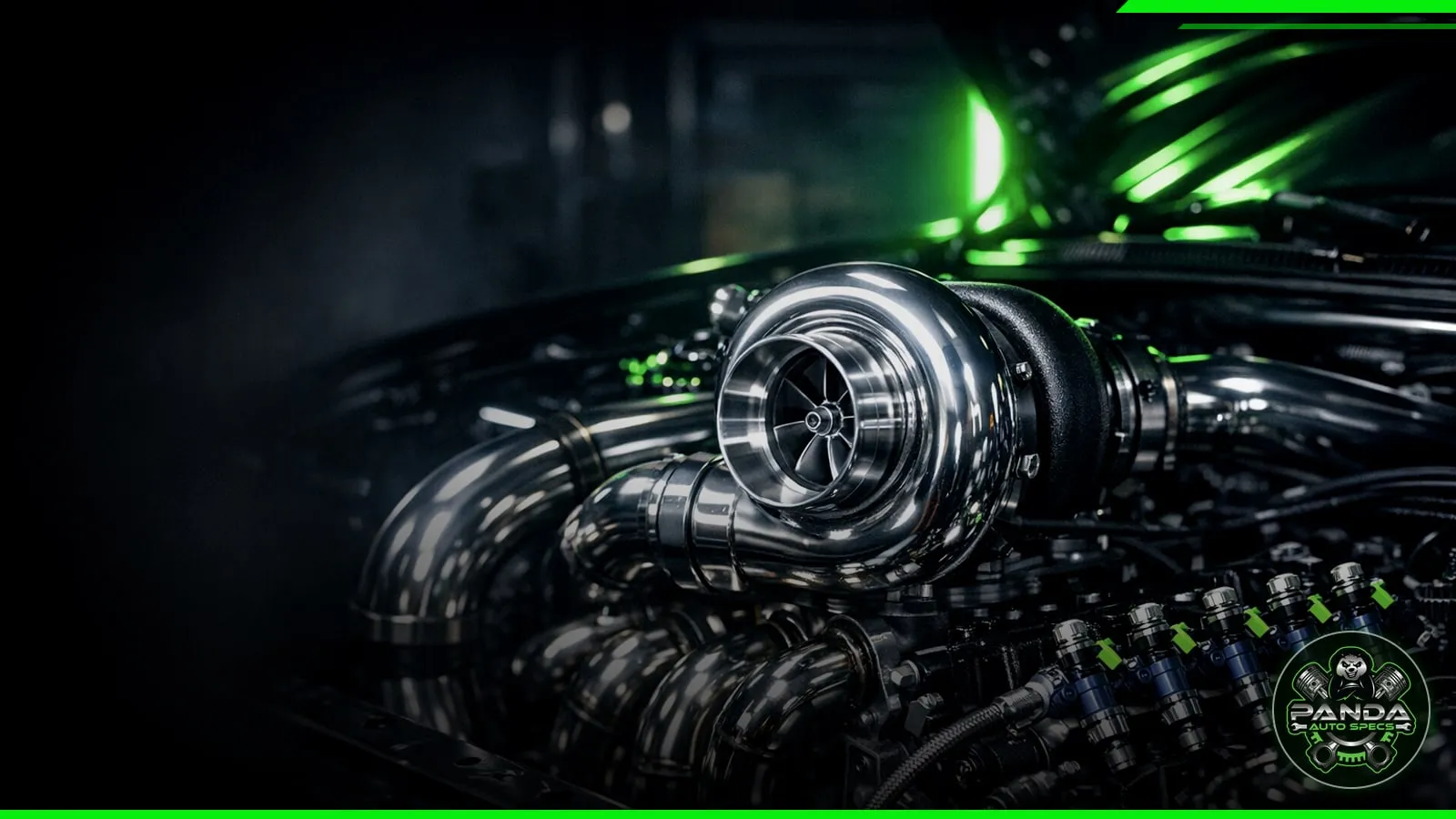
Adding a turbocharger is one of the most effective ways to make more power. It is also one of the fastest ways to destroy an engine if it is done without the supporting modifications.
A turbo forces more air into the engine. Everything else has to keep up: fuel, cooling, oiling, ignition timing and the engine’s own internal strength. Here is what a reliable turbo install includes.
Start with the engine’s health
Boost magnifies weaknesses. Before any turbo install, we check compression and leak-down, look for oil leaks and consumption, and verify the cooling system. An engine with a tired head gasket or worn rings will fail quickly under boost. Fixing that first is part of the job.
Fuel: more air needs more fuel
A turbo engine needs significantly more fuel than the same engine without boost. Running lean under boost causes detonation, melted pistons and burned valves.
- Fuel pump capacity to maintain pressure at full load
- Injectors sized for the target power with room to spare
- Fuel pressure regulation suited to the system, so pressure keeps up with boost
- Fuel quality, using the octane the tune is written for
Air: cooler is denser and safer
Compressing air heats it. Hot intake air is less dense and far more likely to cause detonation. An intercooler cools the charge, and properly sized piping with secure couplers keeps boost from leaking.
Oil and coolant for the turbo itself
Turbochargers spin at extremely high speeds and need a constant supply of clean oil. Oil feed lines are sized and routed correctly, with proper restrictors where the turbo requires them, and oil drains must flow downhill without kinks. Many turbos are also water-cooled to protect bearings after shutdown.
Exhaust and boost control
A turbo manifold, downpipe and exhaust that flow well and don’t crack under heat are essential. Wastegate and boost control keep boost exactly where the tune expects it. A sticking wastegate or a boost leak turns a safe setup into a dangerous one.
Engine internals and clutch
Many engines handle moderate boost on factory internals. Beyond that, forged pistons, stronger rods and upgraded head fasteners become insurance against failure. The clutch and drivetrain also need to handle the extra torque.
The tune holds it all together
The tune controls fuel delivery, ignition timing and boost. It is the single biggest factor in whether a turbo engine lives or dies. A good tune is built and verified on the specific car, with data logging under real load:
- Air-fuel ratio under boost
- Ignition timing and knock activity
- Intake air temperature
- Fuel pressure and injector duty cycle
- Boost targets and actual boost
We cover this in more detail in our article on tuning after upgrades.
Gauges and monitoring
At minimum, a turbo car should have a reliable way to monitor boost and air-fuel ratio. A wideband oxygen sensor and gauge, plus oil pressure and temperature monitoring, give early warning before small problems become expensive.
Doing it once, doing it right
Cheap turbo kits and shortcuts are tempting. The cost of a failed engine is much higher than the cost of doing it properly the first time. We plan every turbo build around the engine, the fuel, the cooling and the tune together, so you get power you can enjoy every day.