Tuning After Upgrades: Why Fuel and Ignition Timing Decide Engine Life
Intake, exhaust, turbo or injectors: every upgrade changes what the engine needs. Why a verified, data-logged tune is what keeps modified engines alive.
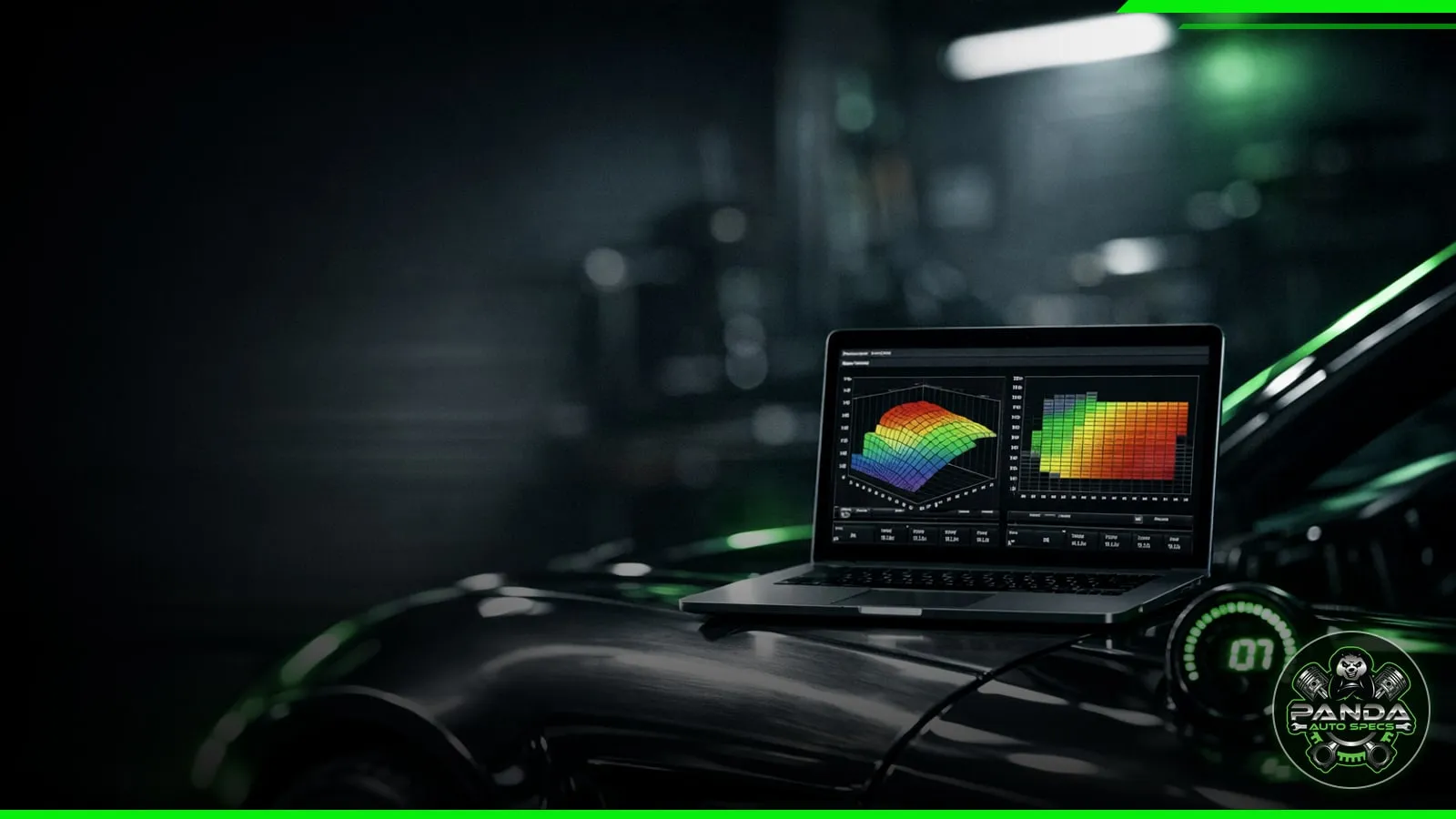
Every engine computer runs on a set of tables: how much fuel to inject, when to fire the spark, how much boost to target, when to shift. From the factory, those tables are written for factory hardware. Change the hardware, and the tables no longer match.
That is what tuning is for. Done right, it unlocks the power your upgrades were meant to deliver. Done wrong, it is the most common reason modified engines fail.
What a tune controls
- Fueling: how much fuel each cylinder gets, based on airflow, load and temperature
- Ignition timing: when the spark fires relative to piston position
- Boost: on turbocharged engines, how much pressure the turbo makes
- Limits and protections: rev limits, knock response, temperature safeguards
- Transmission behavior on some vehicles: shift points and torque management
Why upgrades change everything
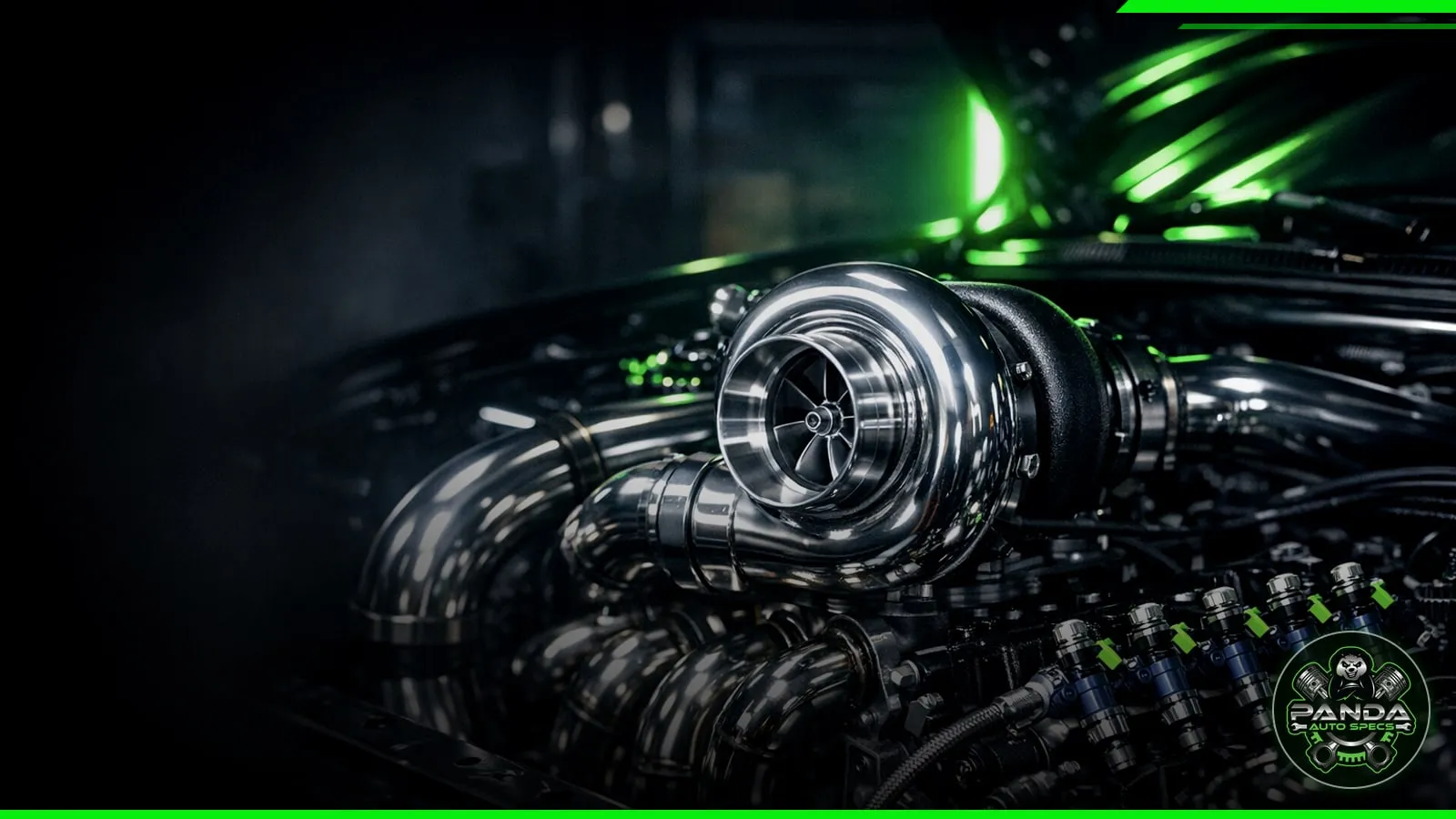
Bigger injectors flow more fuel per millisecond, so the computer has to be told. A larger turbo moves more air at different engine speeds. A freer-flowing intake changes how the airflow sensor reads. Even a high-flow exhaust can change how the engine breathes.
Without a matching tune, the engine may run lean under load, knock, set codes or simply make less power than before.
The danger zone: lean and knock
Two conditions destroy engines:
Running lean means too little fuel for the air. Combustion gets hotter, and pistons and valves can melt or crack.
Knock, or detonation, is uncontrolled combustion that hammers the pistons and bearings. Too much ignition timing, low-octane fuel or high intake temperatures cause it.
A good tune keeps the engine safely away from both, with margin for hot days, bad fuel and hard driving.
Off-the-shelf maps vs. a verified tune
Generic maps are written for a typical car with a typical set of parts. Your car is not typical. Fuel quality, sensor variation, altitude, wear and the exact combination of parts all matter.
We verify every tune on the actual car with data logging under real load. We watch:
- Air-fuel ratio from a wideband sensor
- Ignition timing and any knock correction
- Intake air temperature and boost
- Fuel pressure and injector duty cycle
- Coolant and oil temperatures
Then we adjust, log again and repeat until the engine is making power safely and consistently.
Hardware first, then tune
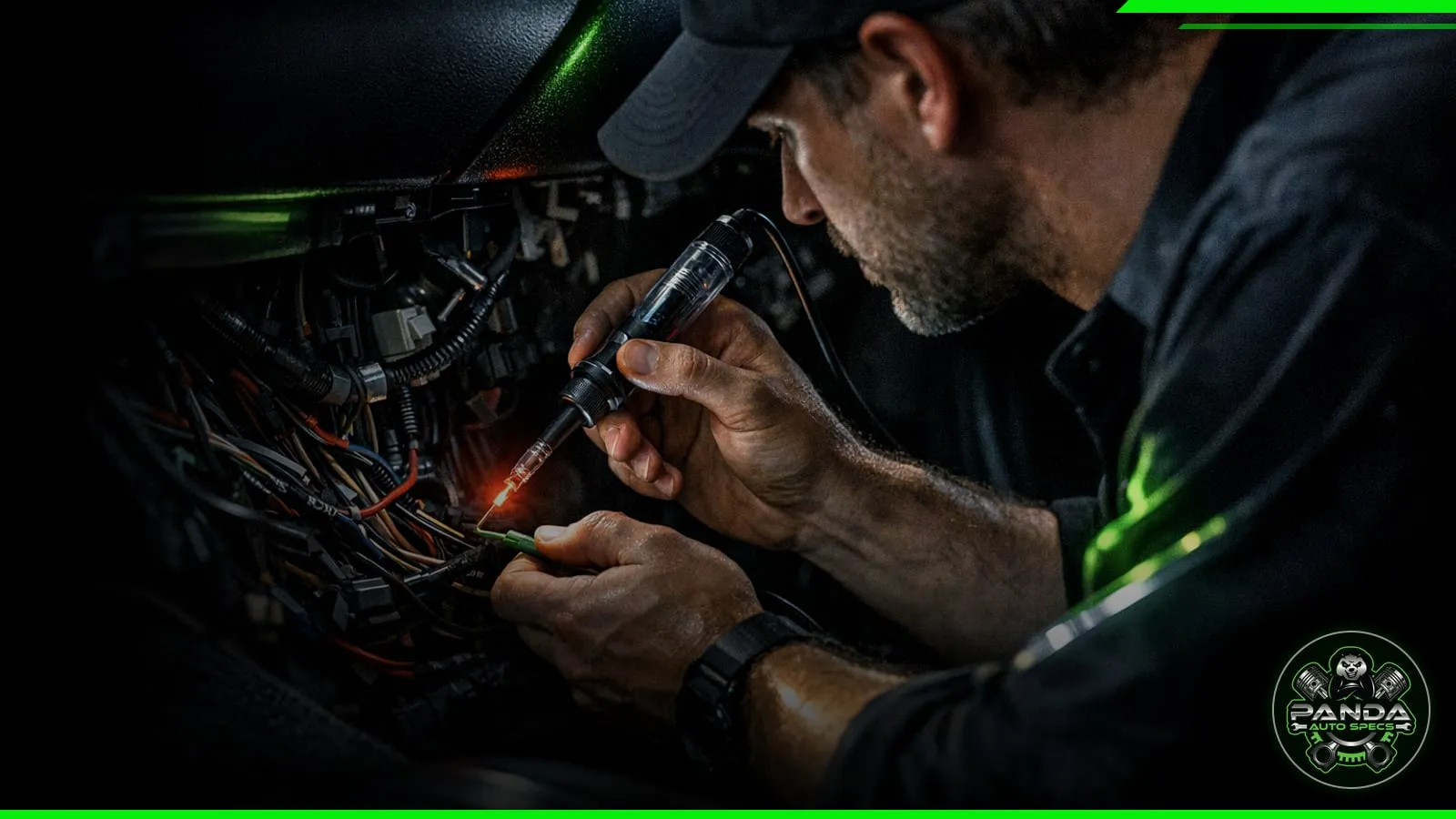
A tune can’t fix a mechanical problem. Boost leaks, a slipping clutch, a weak fuel pump or a misfire will all show up in the logs, and they need to be fixed before tuning continues. We often find these issues during a tuning session, and fixing them is part of making the car reliable.
Driveability matters too
Peak power gets the attention, but a good tune also feels good: clean cold starts, smooth idle, no hesitation in traffic and predictable throttle response. A car that only behaves at wide open throttle isn’t finished.
Before you modify
If you are planning upgrades, plan the tune at the same time. It affects which parts make sense, and it is the step that decides whether the build lasts. We are always happy to talk through a plan before parts are ordered.