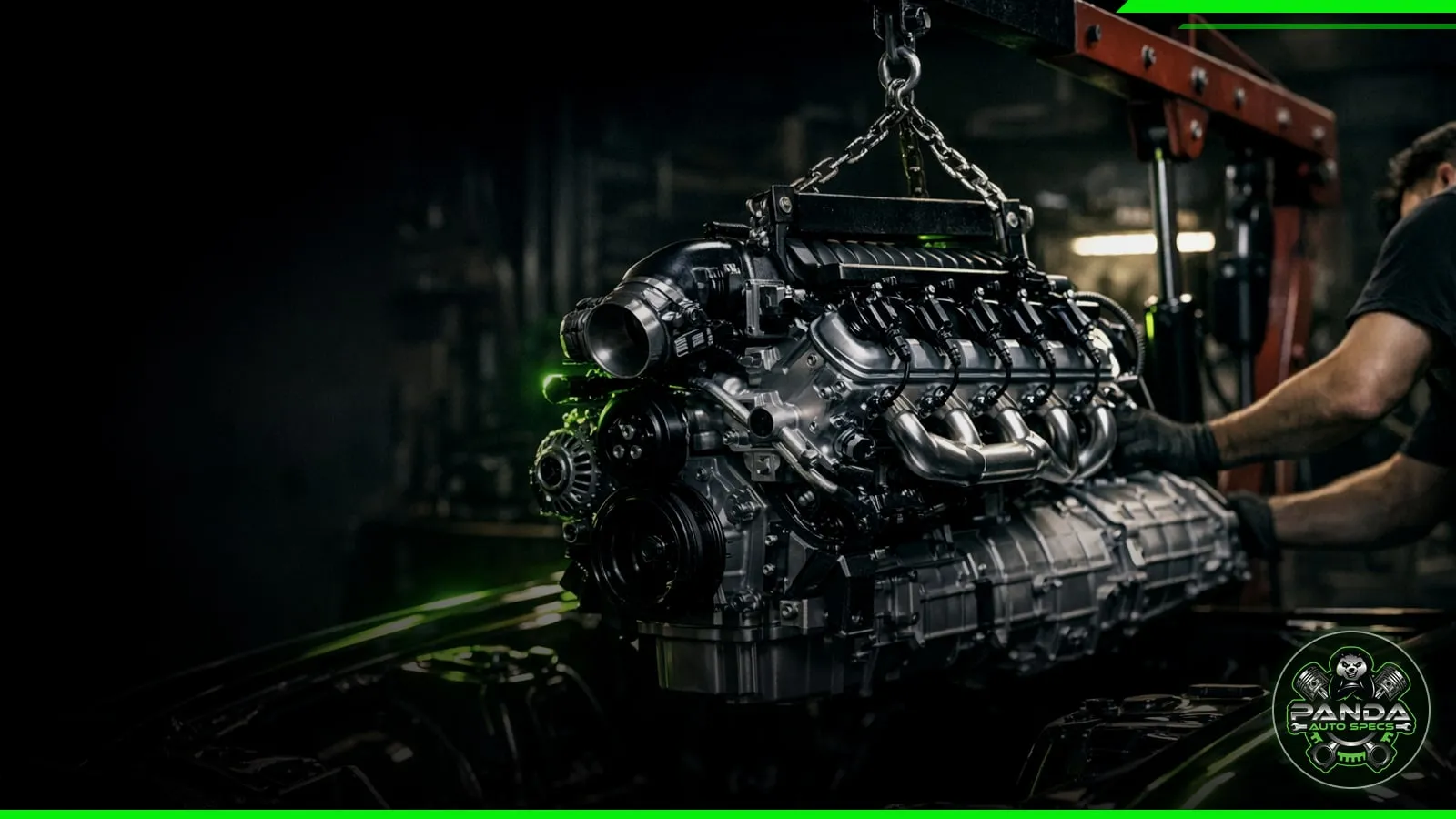
Engine Swap Wiring and ECU Integration: Where Most Swaps Go Wrong
The engine fits, but nothing talks to each other. How specialists handle wiring harnesses, engine computers and module communication in an engine swap.
In a modern car, the engine doesn’t work alone. Its computer talks to the transmission, the brakes, the gauge cluster, the climate system and the immobilizer. Swap the engine, and all of those conversations have to be rebuilt.
That is why wiring and electronics are where most engine swaps get stuck.
The three paths
There are three common ways to run a swapped engine. The right choice depends on the car, the engine and the goals.
1. The donor’s own computer and harness
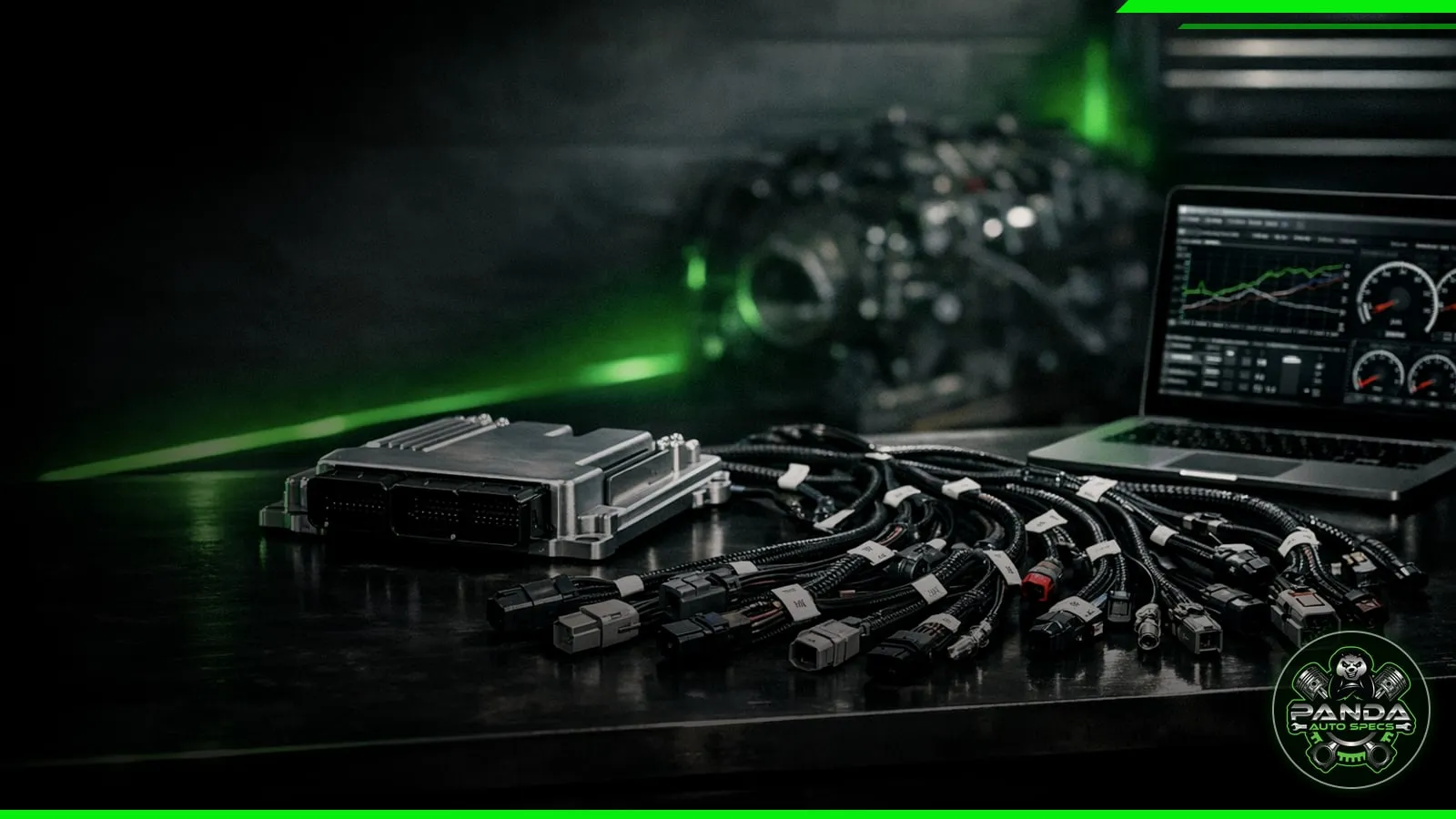
Using the engine’s original computer and harness keeps factory-level driveability, diagnostics and emissions behavior. The challenge is integration: the donor computer expects to talk to modules that may not exist in your car, and it may need its immobilizer or security features handled correctly.
2. Integrating with the host car’s electronics
When the new engine is closely related to the original, it is sometimes possible to adapt the car’s own computer, harness or software to the new engine. This keeps the rest of the car happy but depends heavily on compatibility.
3. A standalone engine management system
Standalone computers are designed to run almost any engine, with full control over fuel, ignition and boost. They are popular for performance builds. The trade-off is that someone has to build the tune from scratch and connect every input and output the car needs, from the fuel pump to the tachometer signal.
Building the harness
Whichever path we choose, the harness is the backbone. A swap harness has to:
- Power and ground the engine computer properly, with clean dedicated grounds
- Connect every sensor, injector, coil and actuator to the correct pin
- Provide fused, relay-controlled power for fuel pumps and fans
- Bridge signals to the car’s existing systems: tachometer, temperature gauge, warning lights, A/C request, vehicle speed
- Route safely away from heat and moving parts, with proper loom and connectors
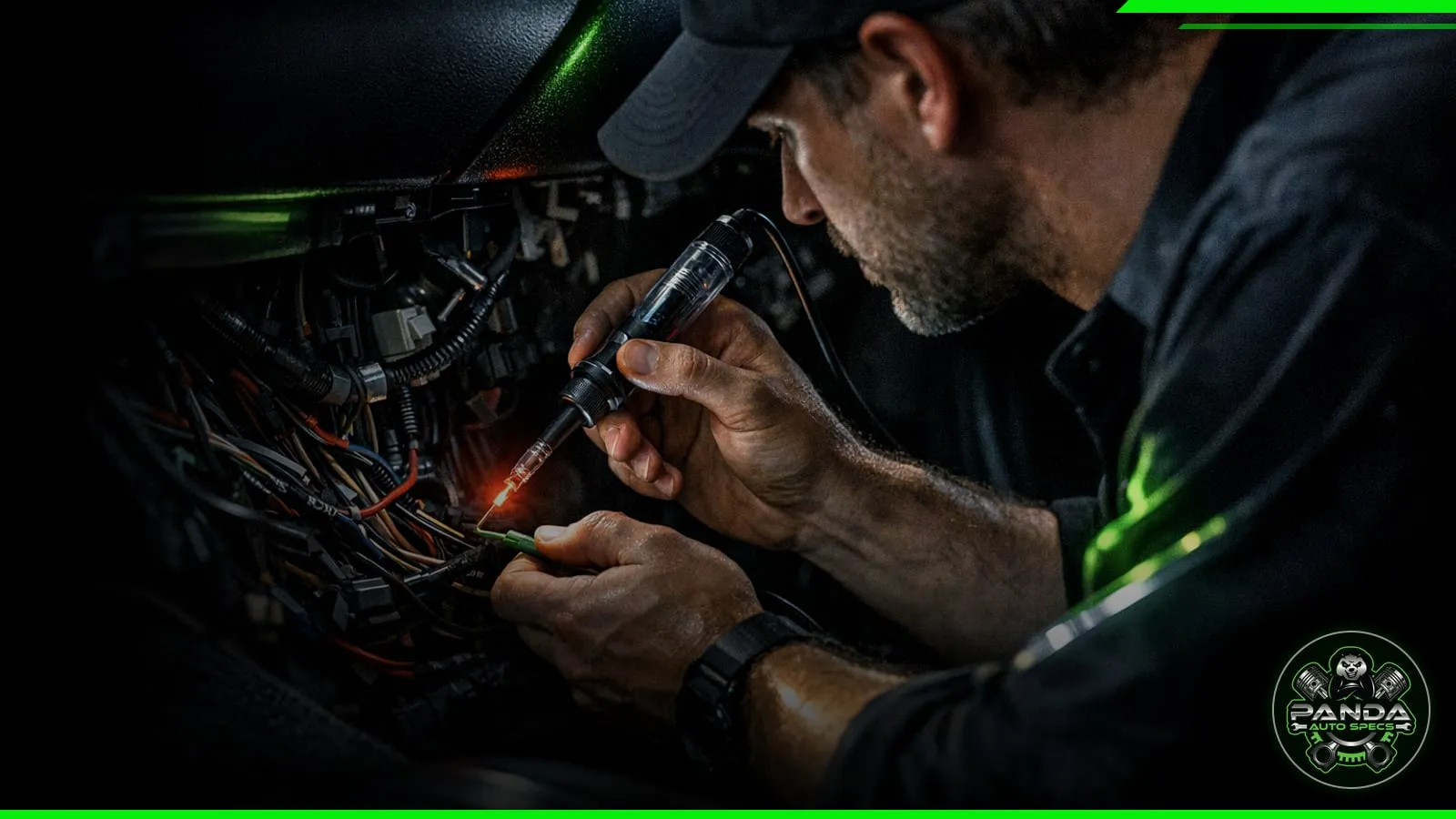
We build or modify harnesses to the same standard as any wiring repair: correct gauge wire, sealed connectors, soldered or properly crimped joints and labeled circuits. Messy swap wiring is the number one cause of the intermittent faults that show up months later.
Making the car communicate
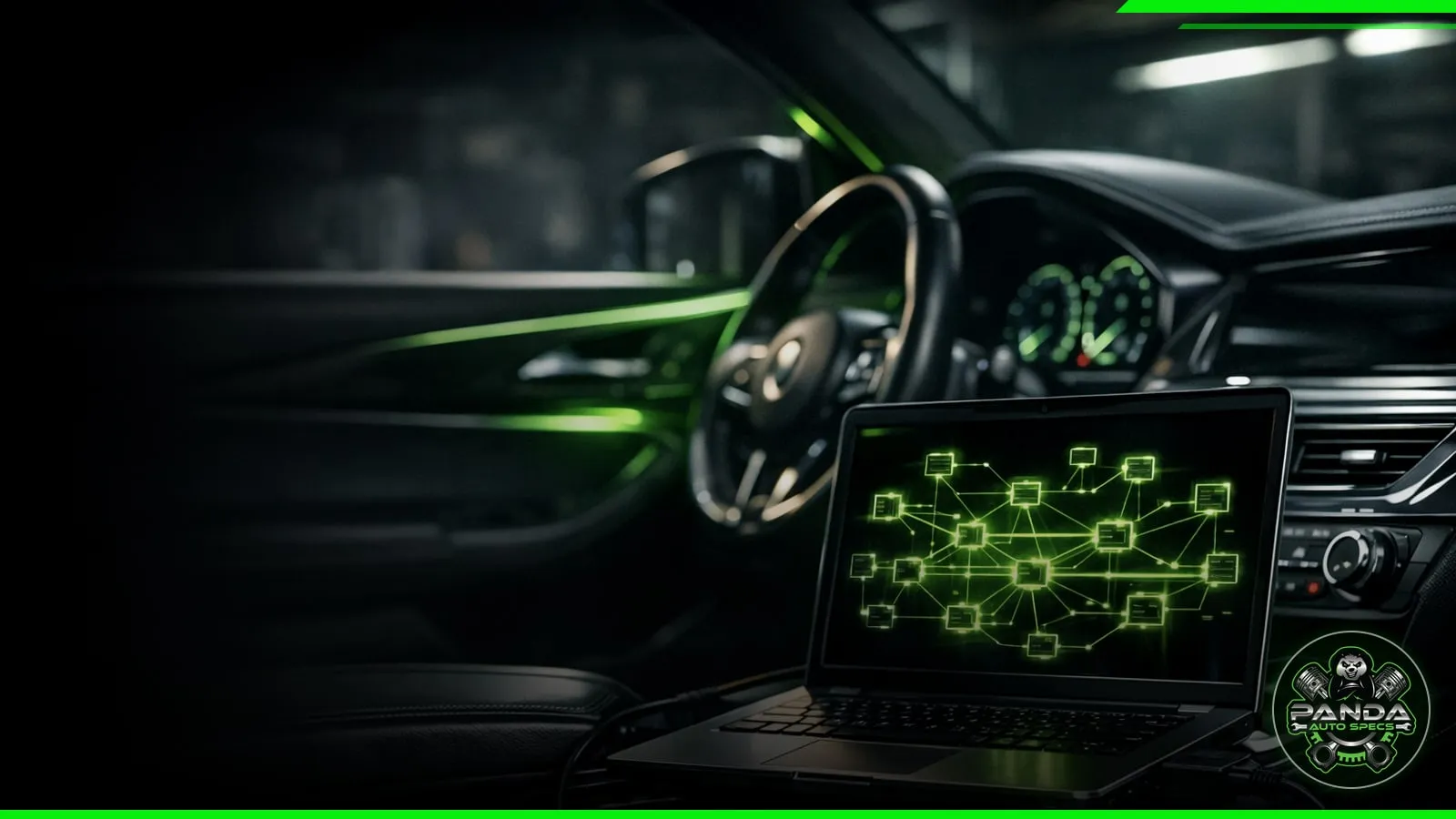
Modern cars share data over networks. The gauge cluster may get engine speed and temperature as network messages, not separate wires. The ABS module may expect torque information from the engine computer. If those messages don’t arrive, you get warning lights, a dead cluster or a transmission in limp mode.
Solutions range from configuring the engine computer to send the expected messages, to adding an interface module that translates between the engine and the car. This is specialist work, and it is the difference between a swap that runs and a swap that works.
Tuning and verification
With the electronics connected, the engine needs a tune that matches its hardware: injectors, turbo, intake, exhaust and fuel. We log data on the road, watching air-fuel ratio, ignition timing, knock and temperatures, and refine until it is safe and smooth.
Finally, we check that every system works: gauges, fans, A/C, cruise, warning lights and diagnostics.
Plan the electronics first
If there is one piece of advice for anyone considering a swap, it is this: decide how the electronics will work before you buy the engine. The mechanical install is predictable. The electronics are where budgets and timelines go sideways.
We are happy to talk through options for your car before you commit.