What Goes Into a Professional Engine Swap
An engine swap touches every system in the car. From planning and mounts to cooling, fuel and drivetrain, here is what a swap done right really involves.
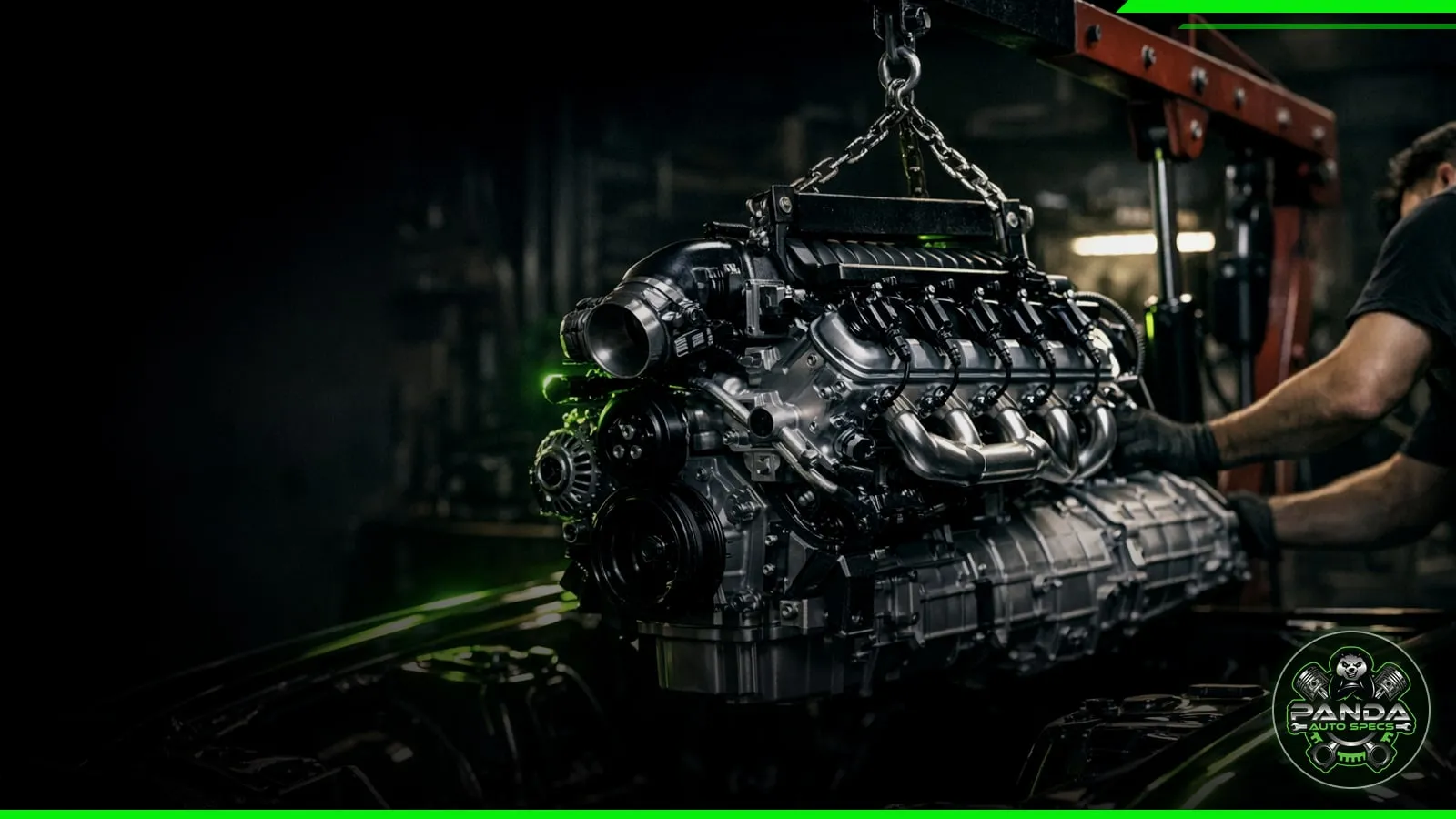
Online, engine swaps look simple. Pull the old engine, drop in the new one, turn the key. Anyone who has done one knows the truth: getting an engine into the car is the easy part. Getting it to run, drive, cool, shift and communicate like the car came that way is the real work.
Here is what a professional swap involves, and why planning is the most important part.
Why people swap engines
- Replacing a failed engine with a healthier or stronger version
- Upgrading within the same family, such as a later generation engine with more power
- Performance builds for project and track cars
- Practical replacements, such as a truck that is worth keeping when its original engine is not
Each reason calls for a different approach. A like-for-like replacement is straightforward. A cross-generation or cross-platform swap is a full project.
Planning comes first
Before any wrench turns, we work through the full list.
Mechanical fit
Will the engine physically fit? What about the oil pan clearing the crossmember, the intake clearing the hood, and the exhaust clearing the steering? Mounts and brackets may need to be sourced or fabricated.
Transmission and drivetrain
The transmission has to bolt up, or an adapter is needed. Clutch, flywheel, driveshaft length, axles and gear ratios all have to match the new engine’s power and character.
Cooling
A more powerful engine makes more heat. Radiator size, fan control, hose routing and, on turbo engines, intercooling all need attention. Many swaps that run fine in the shop overheat in summer traffic.
Fuel system
Fuel pump capacity, pressure regulation, lines and injectors must support the new engine. Return-style and returnless systems don’t always mix without changes.
Electronics
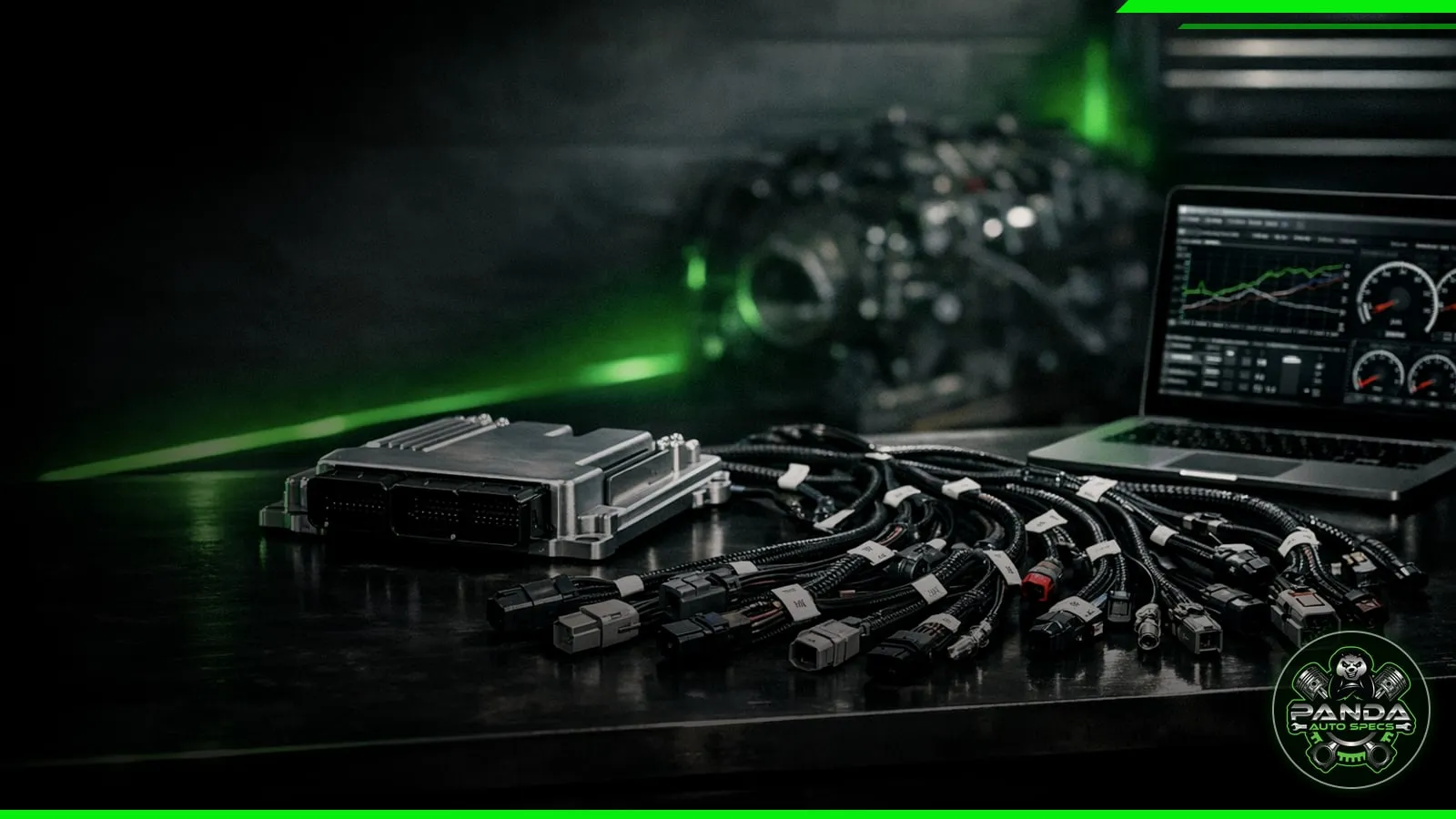
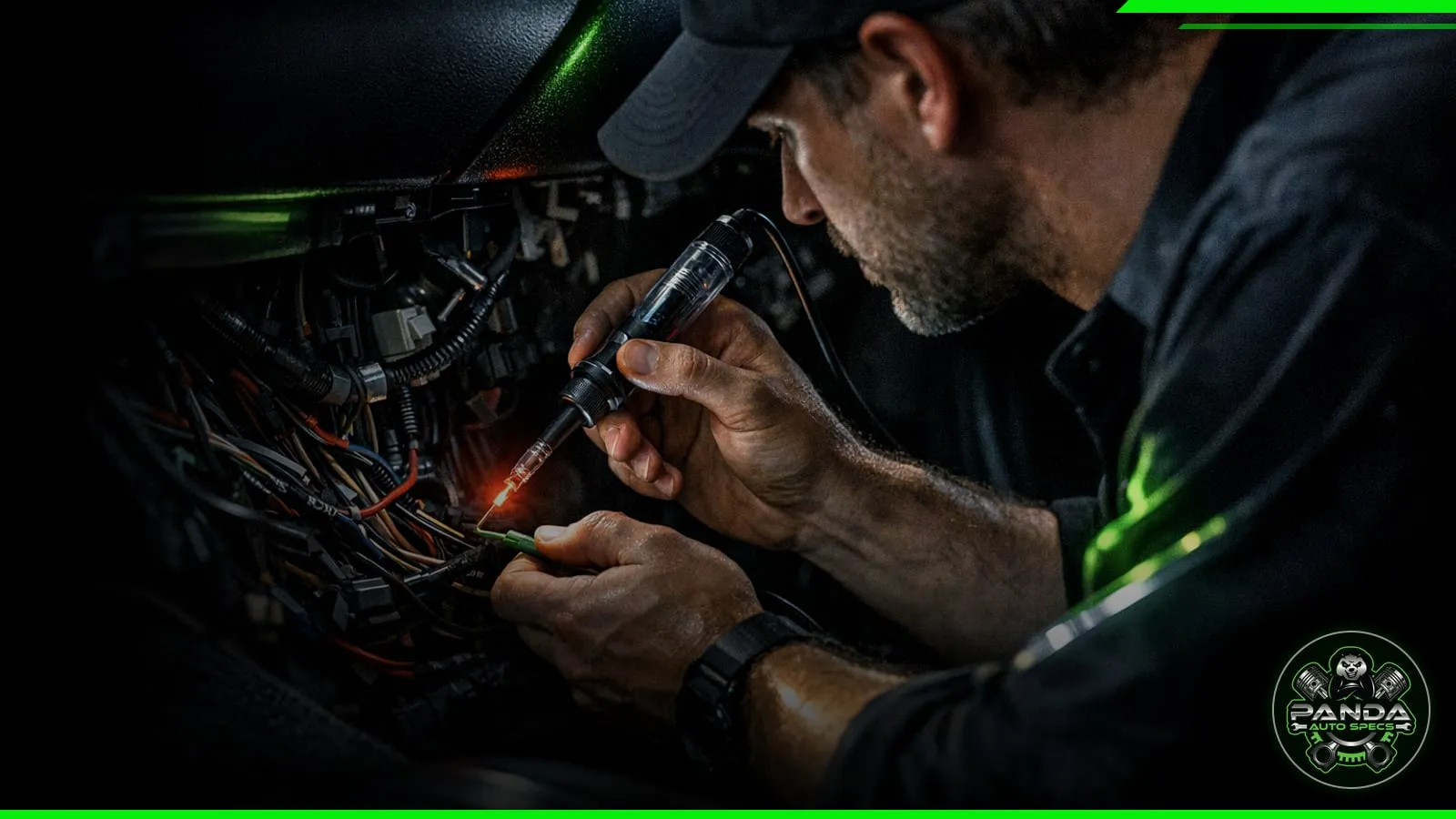
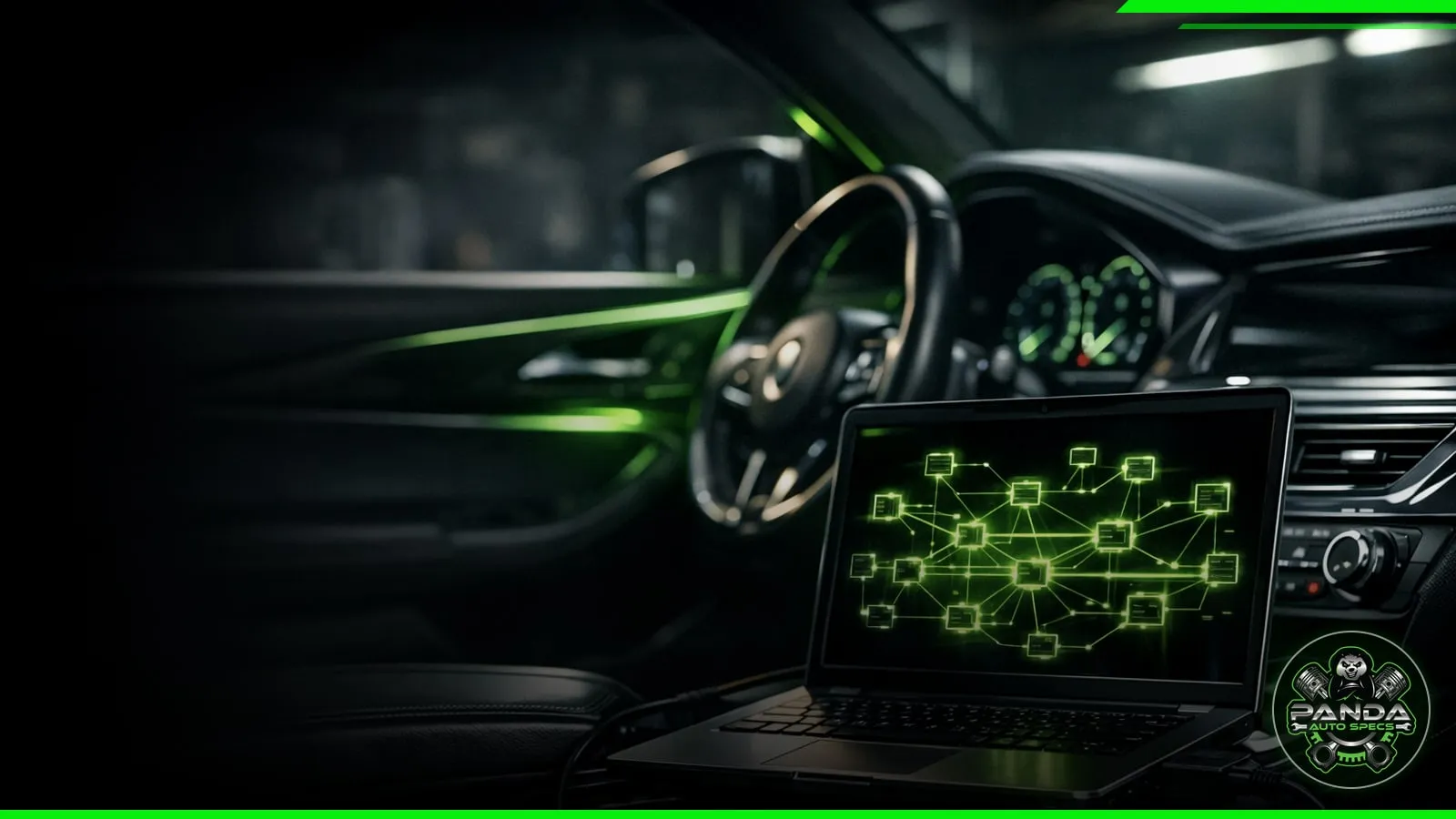
This is where many swaps stall. Which engine computer will run it? How will it talk to the gauge cluster, ABS, transmission and body modules? We cover this in depth in our article on swap wiring and ECU integration.
Exhaust and emissions
Exhaust routing, oxygen sensor placement and emissions equipment all need a plan. Regulations matter too, so we discuss what will keep the car legal for its intended use.
The install
With a plan in place, the work follows a clear path:
- Remove and document the original engine, labeling every connector and hose.
- Prepare the new engine with fresh seals, gaskets and wear items before it goes in. It is far easier on a stand than in the car.
- Fit and fabricate mounts and brackets, checking clearances at every corner.
- Install and connect the drivetrain, cooling, fuel, exhaust and wiring.
- First start with careful checks for oil pressure, leaks and correct sensor readings.
- Test and refine on the road, with logging, until it drives the way it should.
Common mistakes we fix
We often see swaps that someone else started and could not finish: engines that run but overheat, gauges that don’t work, warning lights that never go out, or transmissions that shift poorly. Almost every one traces back to skipped planning, usually on cooling or electronics.
The finished result
A good swap feels factory. It starts every morning, idles smoothly, keeps a steady temperature, and every gauge and warning light works. That is the standard we build to.
If you are thinking about a swap, talk to us before you buy the engine. A short planning conversation can save a lot of money and frustration.