Rebuild or Replace? How We Decide What to Do With a Damaged Engine
Knocking, oil burning or low compression: when an engine is hurt, should you rebuild, replace or walk away? How a specialist makes that call.
Few repair conversations are harder than the one about a damaged engine. The customer wants to know three things: what happened, what it will cost, and whether the car is worth it.
We take that conversation seriously, because the right answer is different for every vehicle. Here is how we approach it.
Step one: find out what actually failed
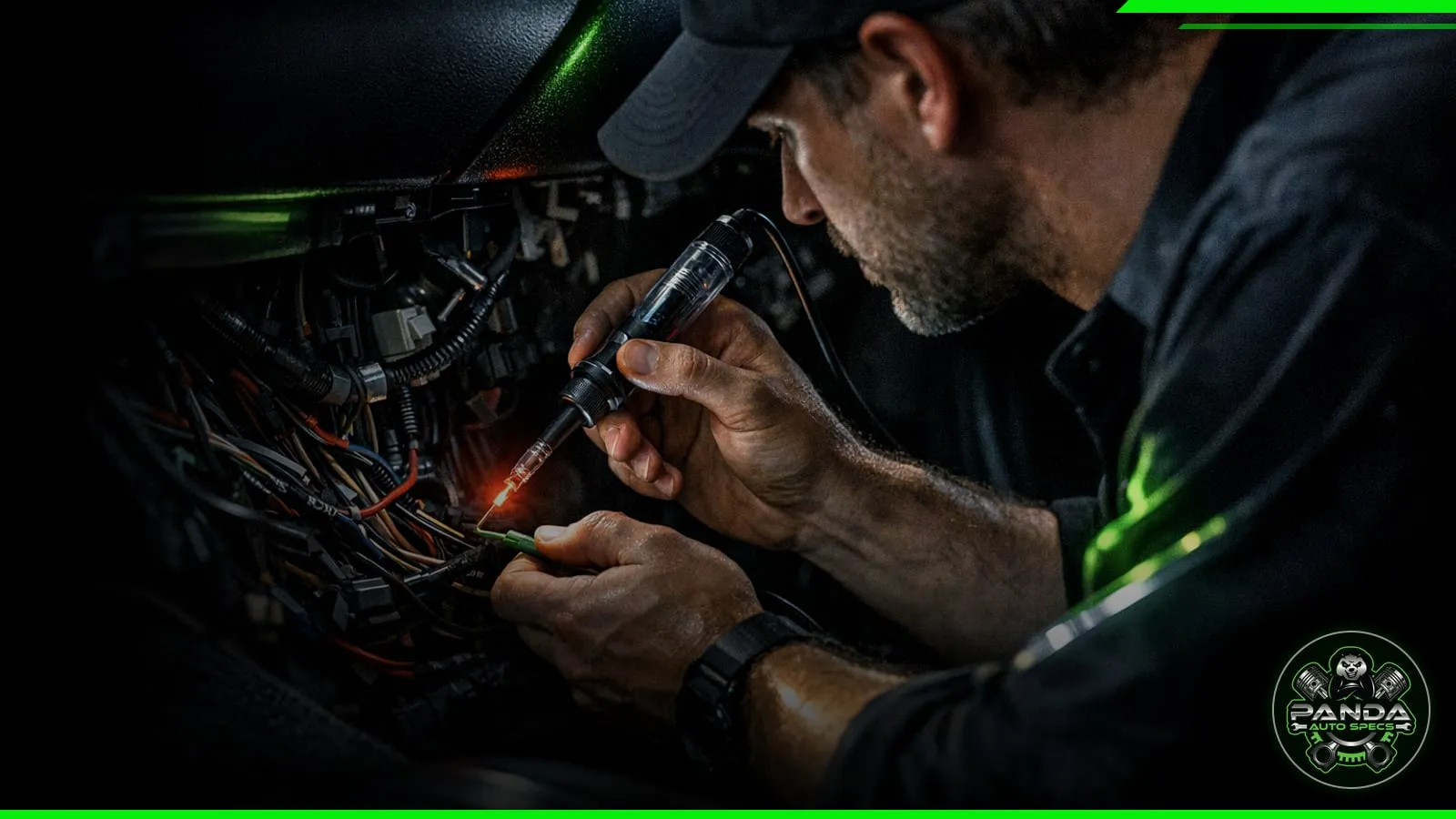
“The engine is bad” is not a diagnosis. Before anyone talks about rebuilding or replacing, we need to know exactly what is damaged and why.
- Compression and leak-down testing show which cylinders are sealing and where the leaks go: past the rings, past the valves or across a head gasket.
- Borescope inspection lets us look at cylinder walls, pistons and valves without taking anything apart.
- Oil analysis and inspection show coolant contamination, metal particles or fuel dilution.
- Listening and isolating noises tells a rod knock from a lifter tick or an exhaust leak.
Sometimes the “dead engine” turns out to be something much smaller: a jumped timing chain caught before damage, a failed head gasket, or a valve problem fixable with cylinder head work. That alone can save thousands.
Step two: understand the cause
An engine that failed because of a cooling system fault, oil starvation or a timing failure will fail again if the cause is not fixed. Whatever path you choose, the root cause has to be corrected first.
The options
Repair the damaged section
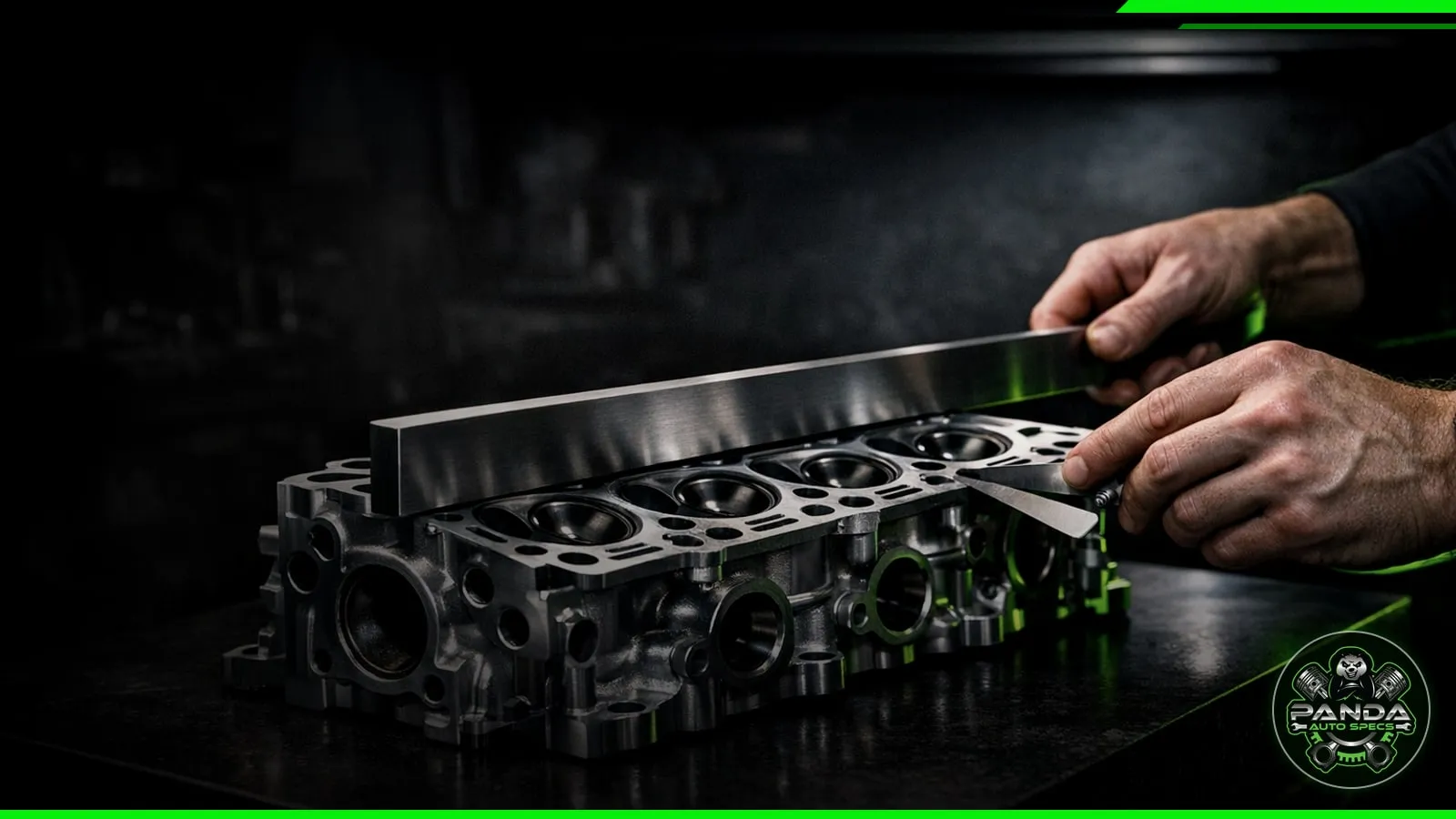
Head gaskets, cylinder head work, timing components and some valvetrain repairs can be done without replacing the bottom end. This is often the best value when the lower engine is healthy.
Rebuild the engine
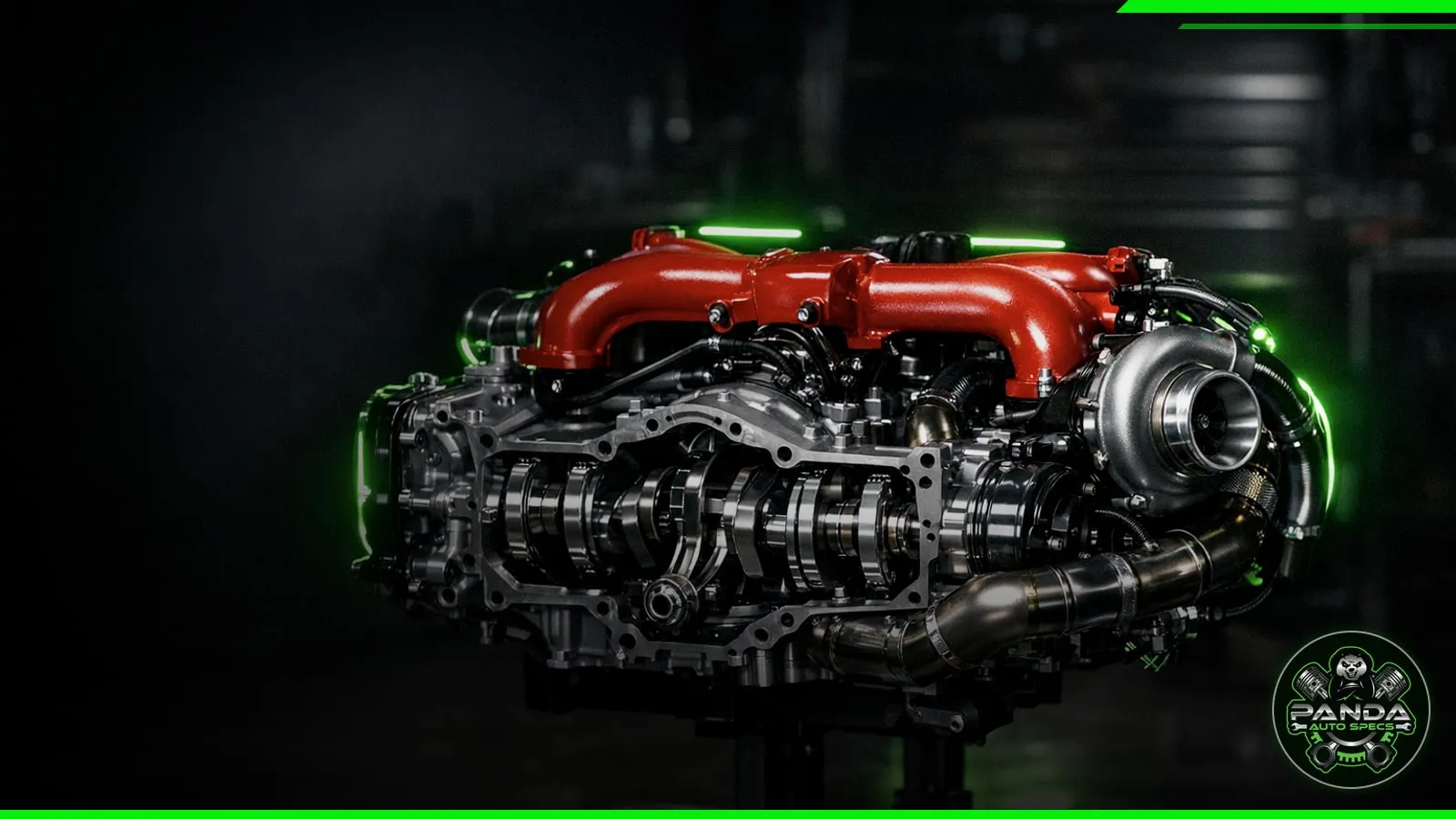
A rebuild means full teardown, measuring every critical surface, machining where needed and assembling with new bearings, rings, seals and gaskets. When done properly, a rebuilt engine can be as good as new or better, and it is the right time to add stronger parts if you plan to modify the car.
A rebuild makes the most sense when:
- The engine block and crankshaft are reusable after inspection
- Quality used or remanufactured engines are hard to find or uncertain
- You want specific upgrades, such as forged internals for a turbo build
- The vehicle has value or meaning that justifies the investment
Replace with a used or remanufactured engine
A known-good replacement engine can be the fastest and most affordable option when one is available with documented mileage. The risk is that a used engine comes with its own unknown history. We inspect replacement engines before installation and transfer or replace the components that commonly fail.
Walk away
Sometimes the honest answer is that the repair costs more than the car is worth to you. We would rather tell you that than sell you a job you will regret.
Measuring is what separates a rebuild from a refresh
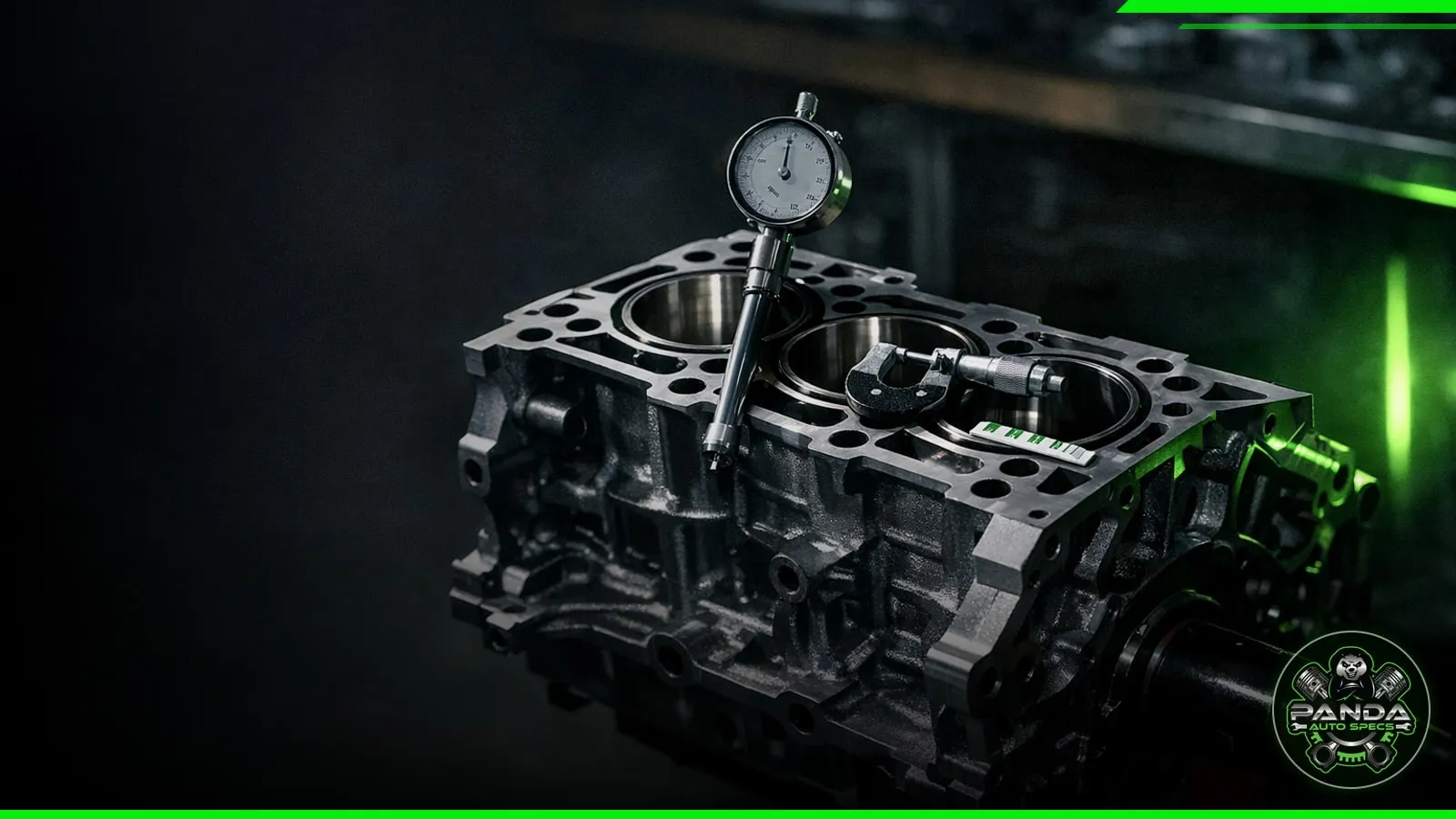
Engine parts are made to tolerances measured in ten-thousandths of an inch. Bearing clearances, cylinder bore size and roundness, crank journal size and deck flatness all have to be measured and recorded. Skipping measurements is how “rebuilt” engines fail in the first few thousand miles.
We document what we find during teardown, often with photos, so you can see the evidence yourself.
Making the call together
With a clear diagnosis, a known cause and real numbers for each option, the decision becomes much easier. We lay it out side by side and let you choose.
If your engine is knocking, burning oil, losing compression or overheating, get it diagnosed before it gets worse. The earlier we see it, the more options you have.