Subaru Turbo Engines: Ringland Failure, Rod Bearings and Building Them Stronger
Turbo boxer engines have known weak points. What causes ringland and rod bearing failures, and how we rebuild these engines to last, stock or built.
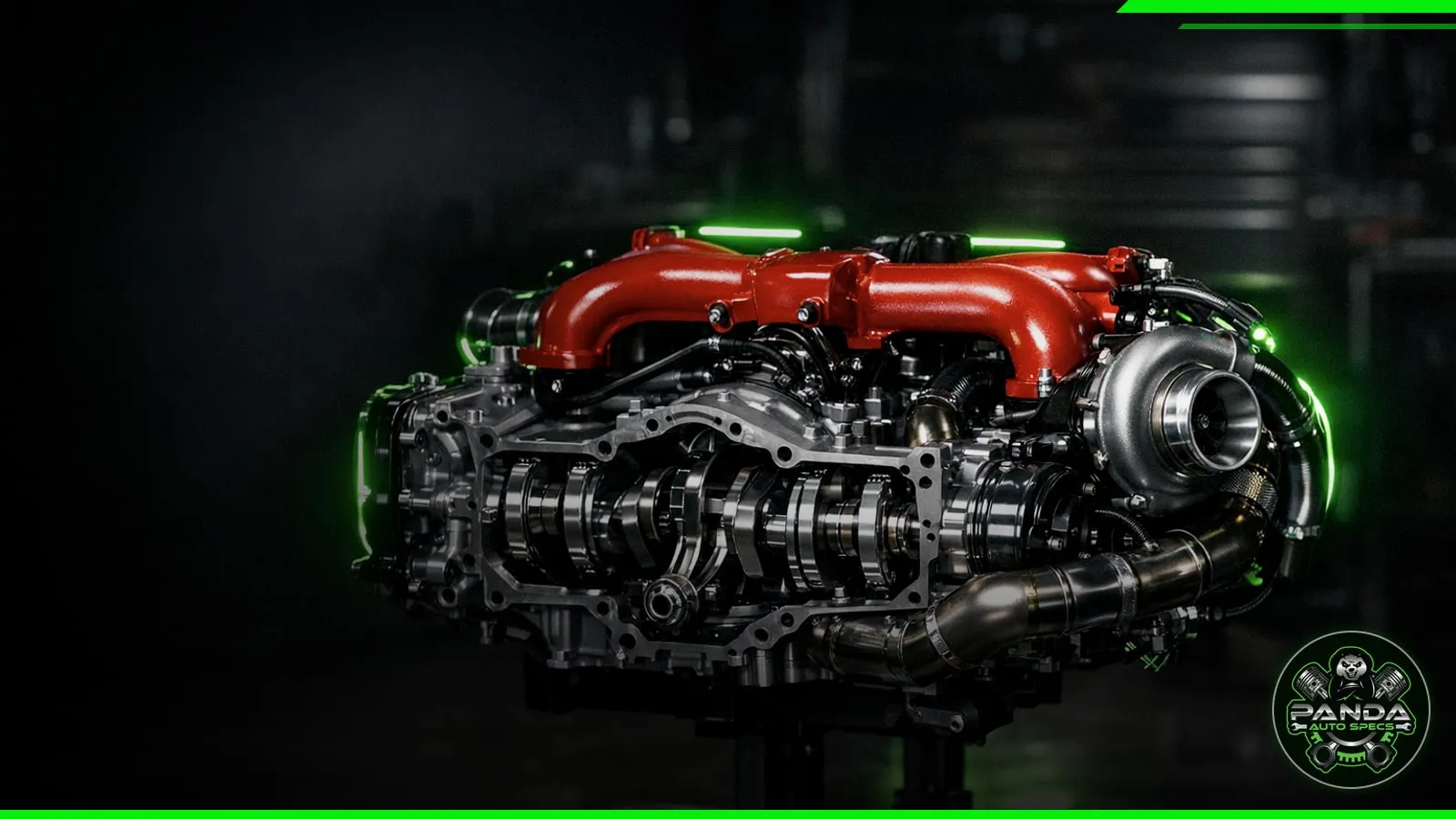
Subaru’s turbocharged boxer engines have a loyal following, and for good reason. They make strong power, sound like nothing else and respond well to upgrades. They also have well documented weak points, especially once owners start adding boost.
Boxer turbo builds are a regular sight in our shop. Here is what fails, why, and how we rebuild them.
The common failures
Ringland failure
The ringlands are the thin sections of the piston between the ring grooves. On many of these engines, factory cast pistons can crack at the ringlands, especially under detonation. The cylinder loses compression, often on one cylinder, and the car smokes, misfires or loses power.
Detonation is the usual trigger. Poor quality fuel, an aggressive tune, a lean condition or high intake temperatures can all push an engine into knock that breaks pistons.
Rod bearing failure
Rod bearing failures produce the classic knock that gets louder with engine speed. Oil starvation, high oil temperatures, extended oil change intervals and oil pickup issues all contribute. Once a bearing spins, the crankshaft and connecting rod are usually damaged too.
Head gasket and cooling issues
High cylinder pressure from boost puts extra stress on head gaskets. Turbo engines also run hot, so cooling system health matters more than on a naturally aspirated engine.
Diagnosis before teardown
We confirm the failure before the engine comes out: compression and leak-down testing for ringland damage, oil inspection for bearing material, and listening tests for knock. We also review the tune and any modifications, because the cause matters as much as the damage.
How we rebuild them
Complete teardown and inspection
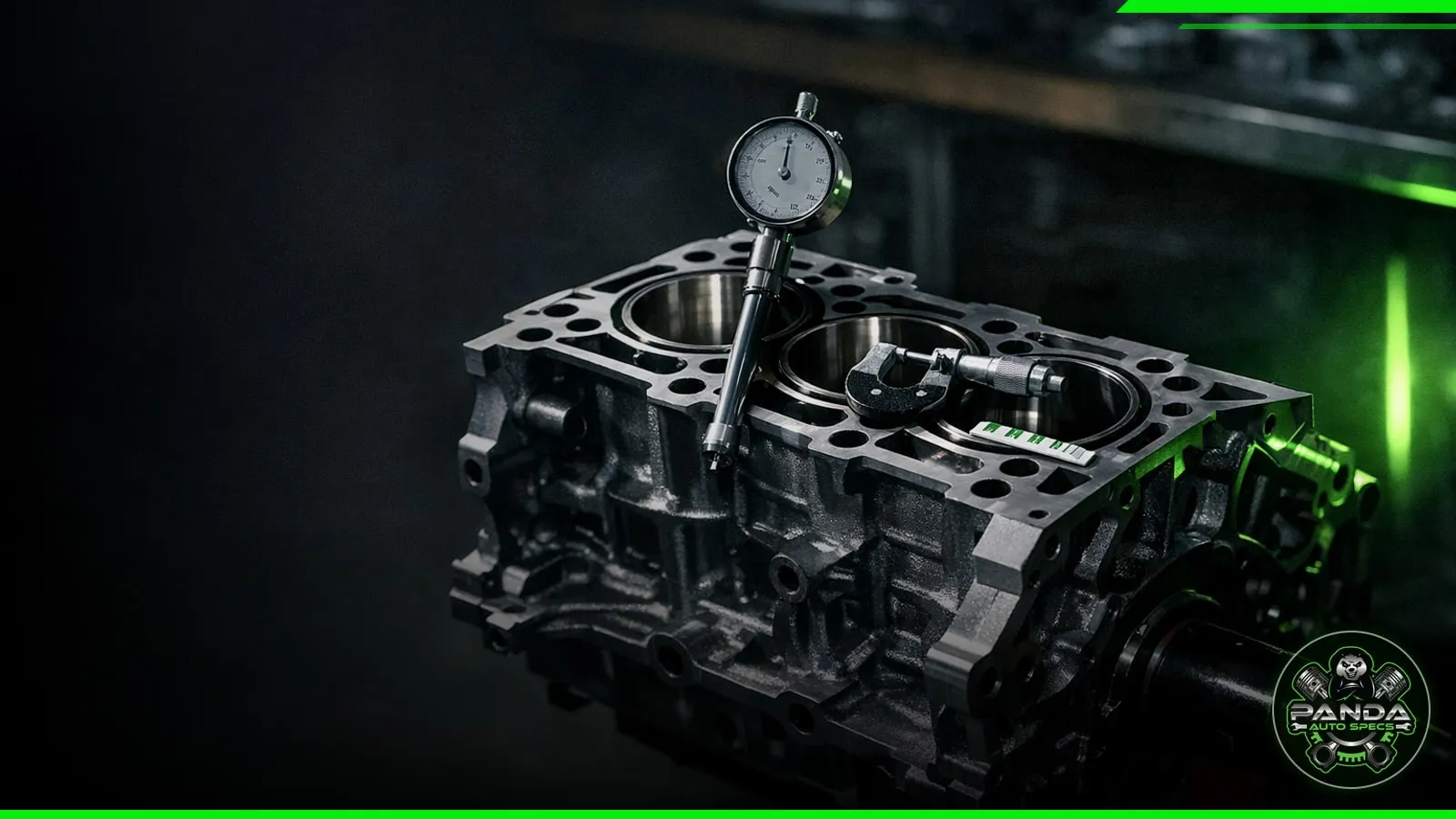
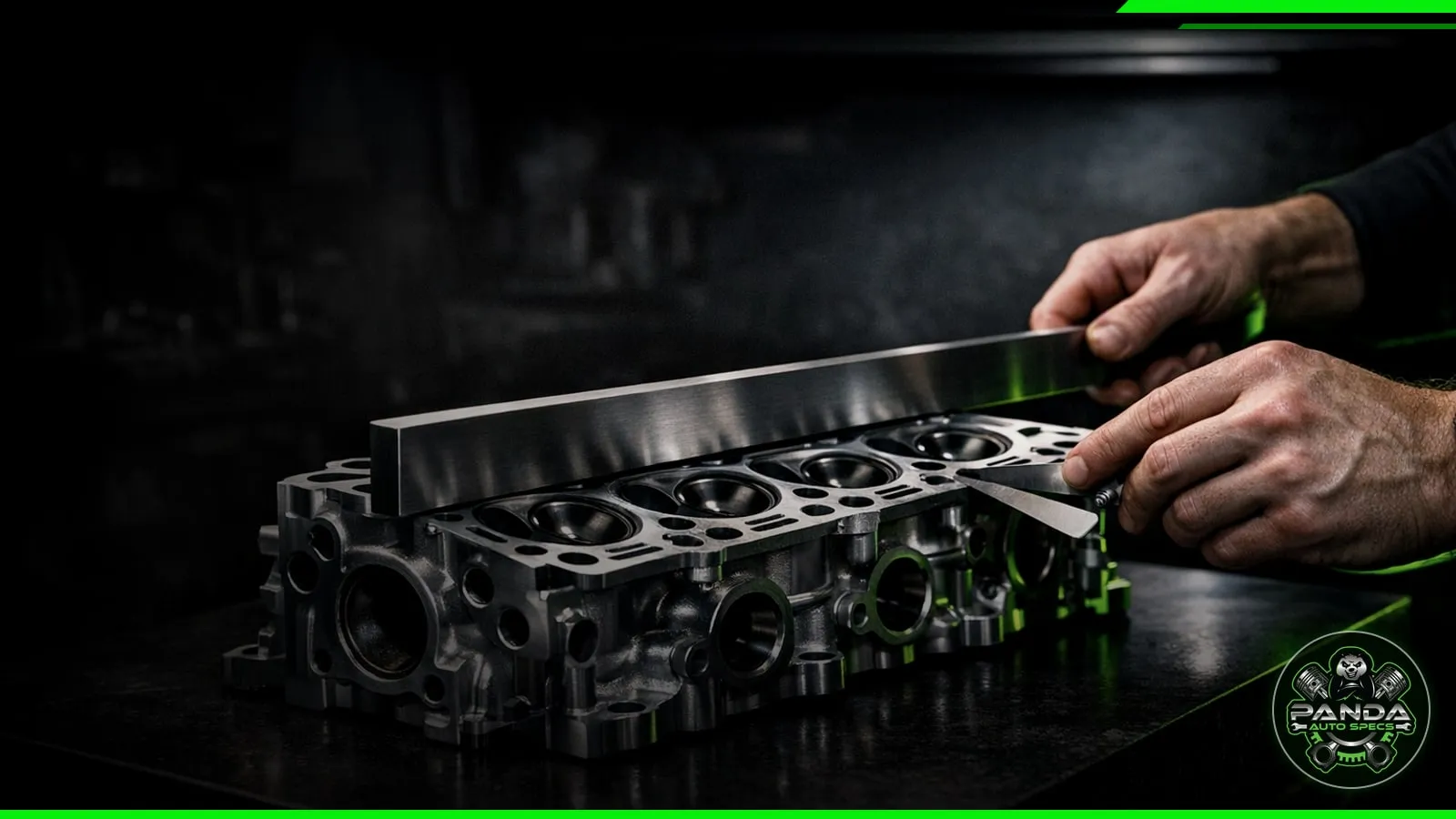
Boxer engines come apart in two case halves. Every part is cleaned and inspected. Cylinder bores, crank journals and case surfaces are measured.
Choosing the right parts
For a mostly stock car, quality replacement pistons and bearings with correct clearances are the foundation. For a modified car, or one that will be, a rebuild is the time to step up:
- Forged pistons that tolerate detonation and heat far better than cast pistons
- Forged connecting rods for higher power levels
- Upgraded head studs in place of factory bolts for better clamping under boost
- Oil system improvements such as baffled pans and pickups to protect bearings
The right package depends on your power goals and how the car is driven. A daily driver and a weekend track car need different builds.
Precise assembly
Bearing clearances, ring end gaps and piston to wall clearances are set for the parts used and the intended power level. Forged pistons, for example, need different clearances than cast ones. Case halves are sealed and torqued in sequence. Timing belts and tensioners are installed with the engine set exactly.
Break-in and tuning
A fresh engine needs a careful break-in and an oil change soon after. Any modified car must have a tune that matches the hardware. Most rebuilt turbo engines that fail again do so because of a bad tune, not bad parts.
Prevention for everyone else
- Use the correct premium fuel, every time
- Change oil more often than the maximum interval, especially if you drive hard
- Watch oil level; these engines can consume oil
- Only run a tune from someone who logs and verifies it on your car
- Address any knock or boost issues immediately
If your turbo boxer has a new knock, smoke or a compression loss, stop driving it hard and get it checked. Catching it early can mean the difference between a rebuild and a replacement block.